UXcamp Europe 2024 recap: The largest UXcamp ever
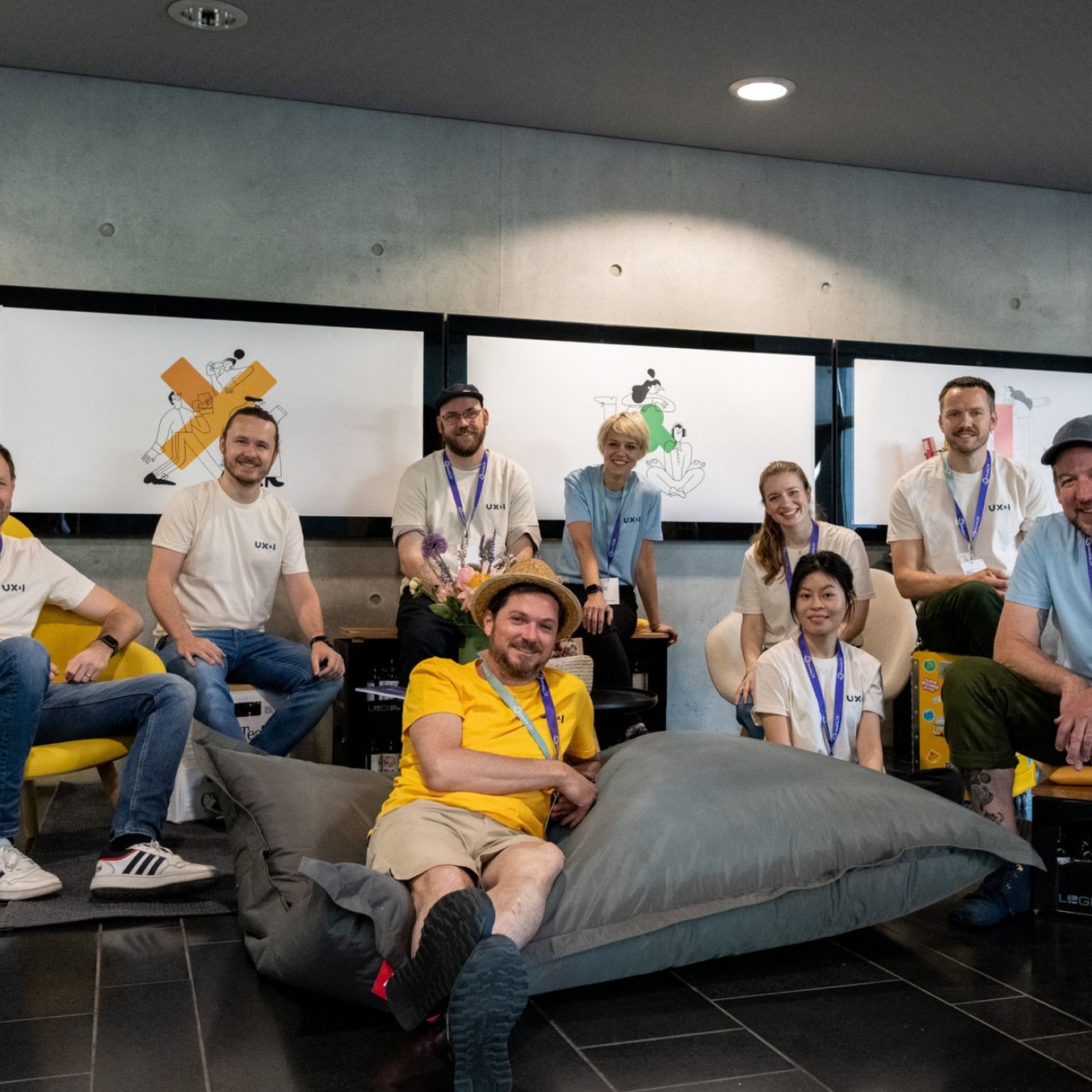
UXcamp Europe 2024 was an impressive event and set a new record with over 600 attendees. As the main sponsor, we at UX&I were proud to be there once again. With a total of 107 sessions, this year’s event offered a wide variety of exciting and diverse topics centered on current and relevant aspects of the UX world. Here are the key highlights.
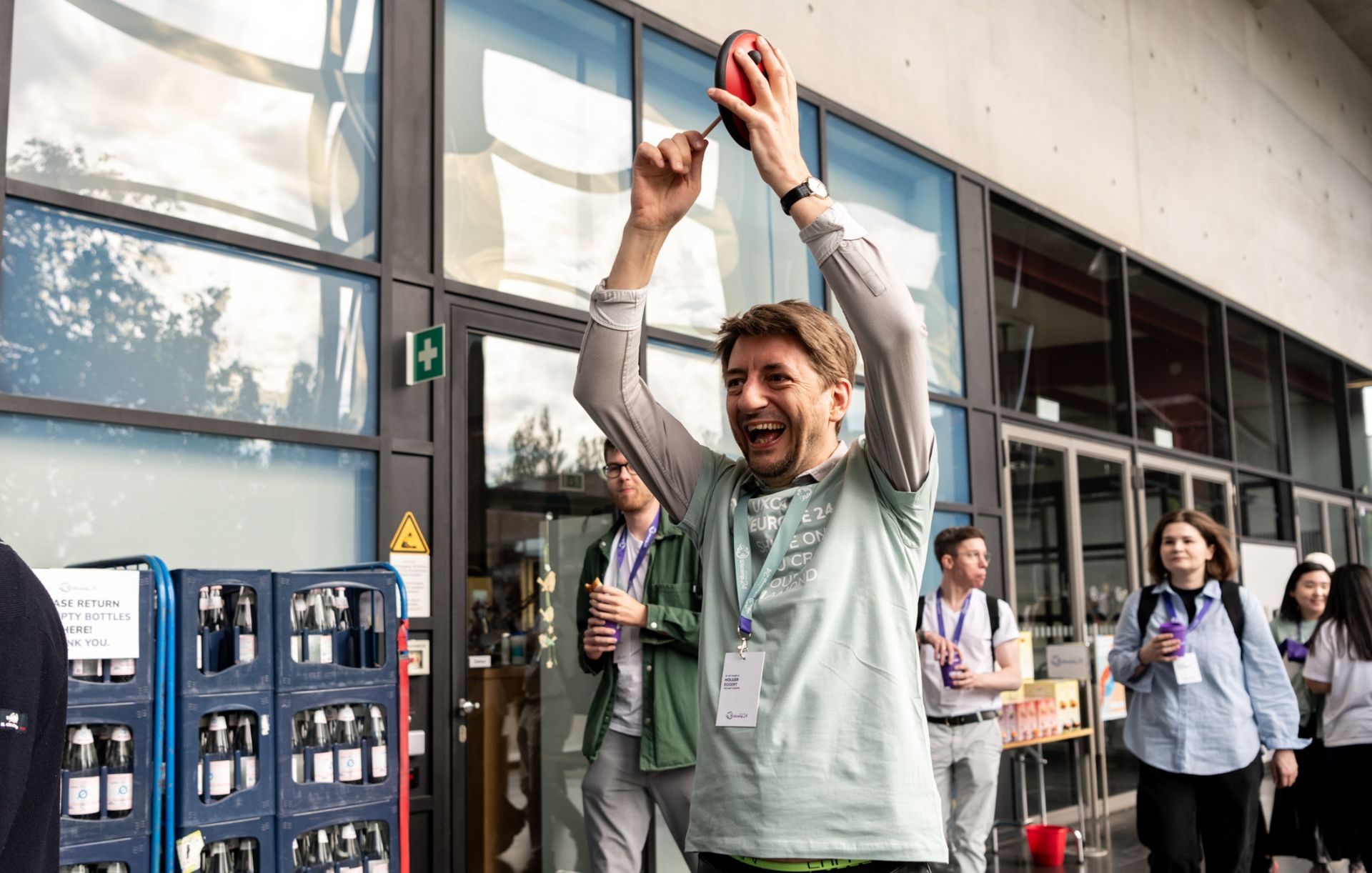
Artificial intelligence
A central theme this year was the integration of artificial intelligence and new technologies into the design process. In her workshop “Navigating AI: Generative AI Workshop Toolkit,” Meret Sonnenschein (IBM iX DACH) demonstrated how to support clients in developing AI projects. She emphasized the importance of ethical considerations and the integration of AI strategies with business goals and experience design.
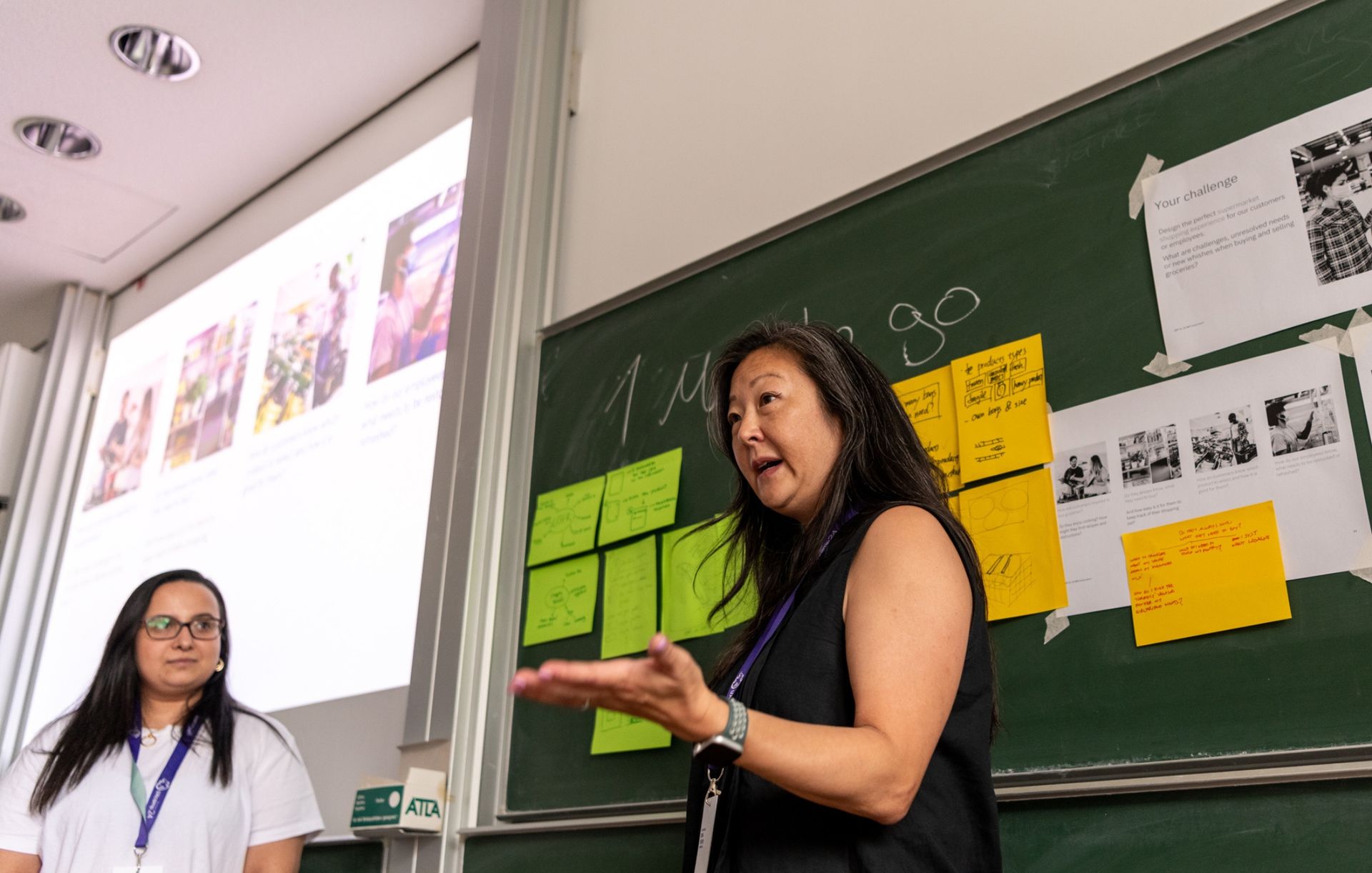
In his talk “Rapid Prototyping in Extended Reality,” Denys Babenko introduced the audience to the world of rapid prototyping and gave a live demonstration of the participants’ collective creativity and problem-solving skills.
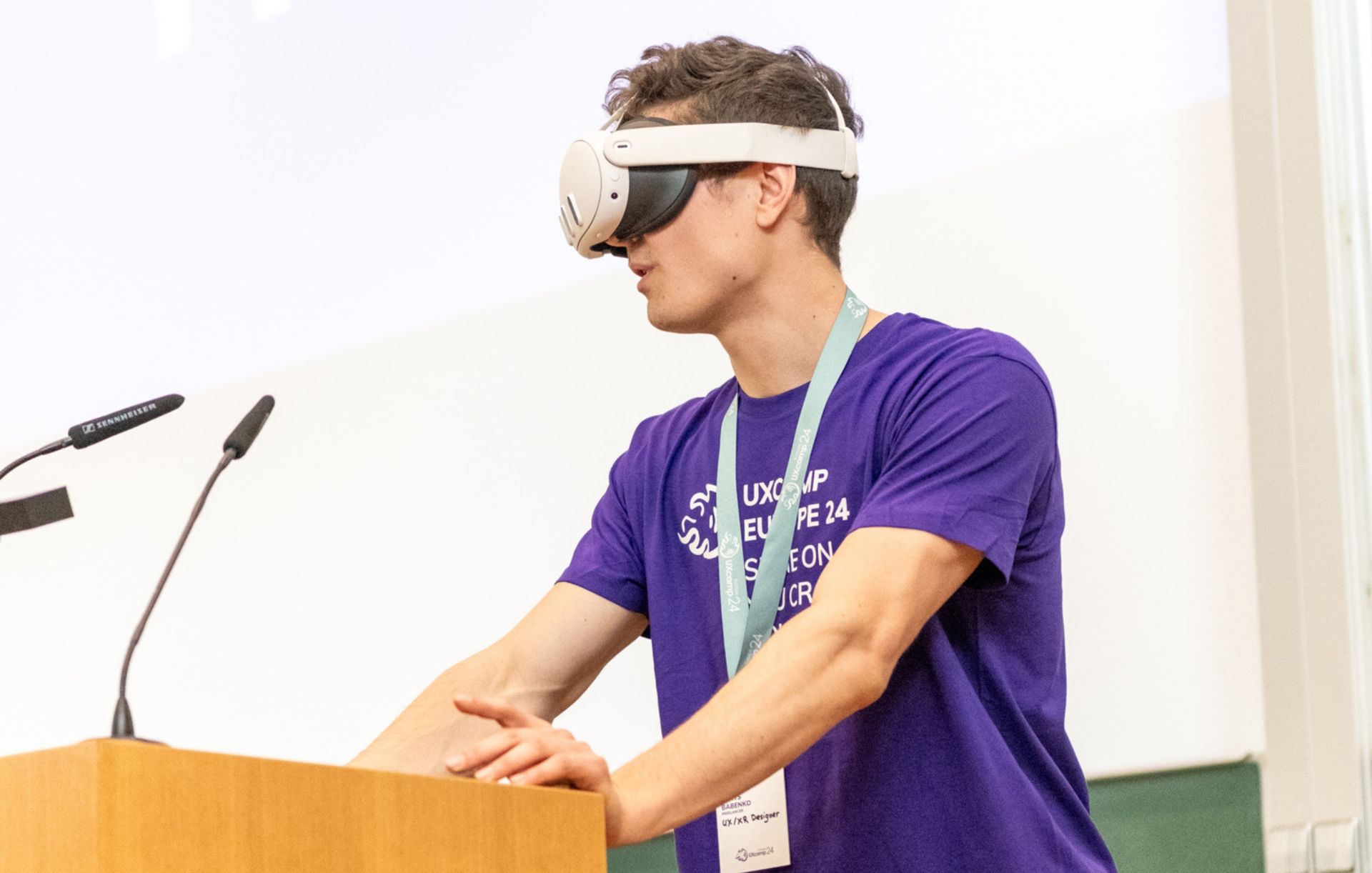
Christian Korff from UX&I demonstrated how the new ChatGPT Voice Interface helps users work creatively on the go and document and organize their thoughts and ideas, and, for example, use them to create a Barcamp session.
Discussions on the topic of AI took place not only in the UX&I Lounge, at lunch tables, and in the hallways, but also during several sessions. John Ngu provided a platform for many participants to discuss “Potential, Perspectives, Responsibilities,” while Andreas Burhainski dove deep into the subject matter of Stable Diffusion and ComfyUI in his workshop “Beyond Prompt” to achieve more reproducible results in image generation.
Design, operations, & prototyping
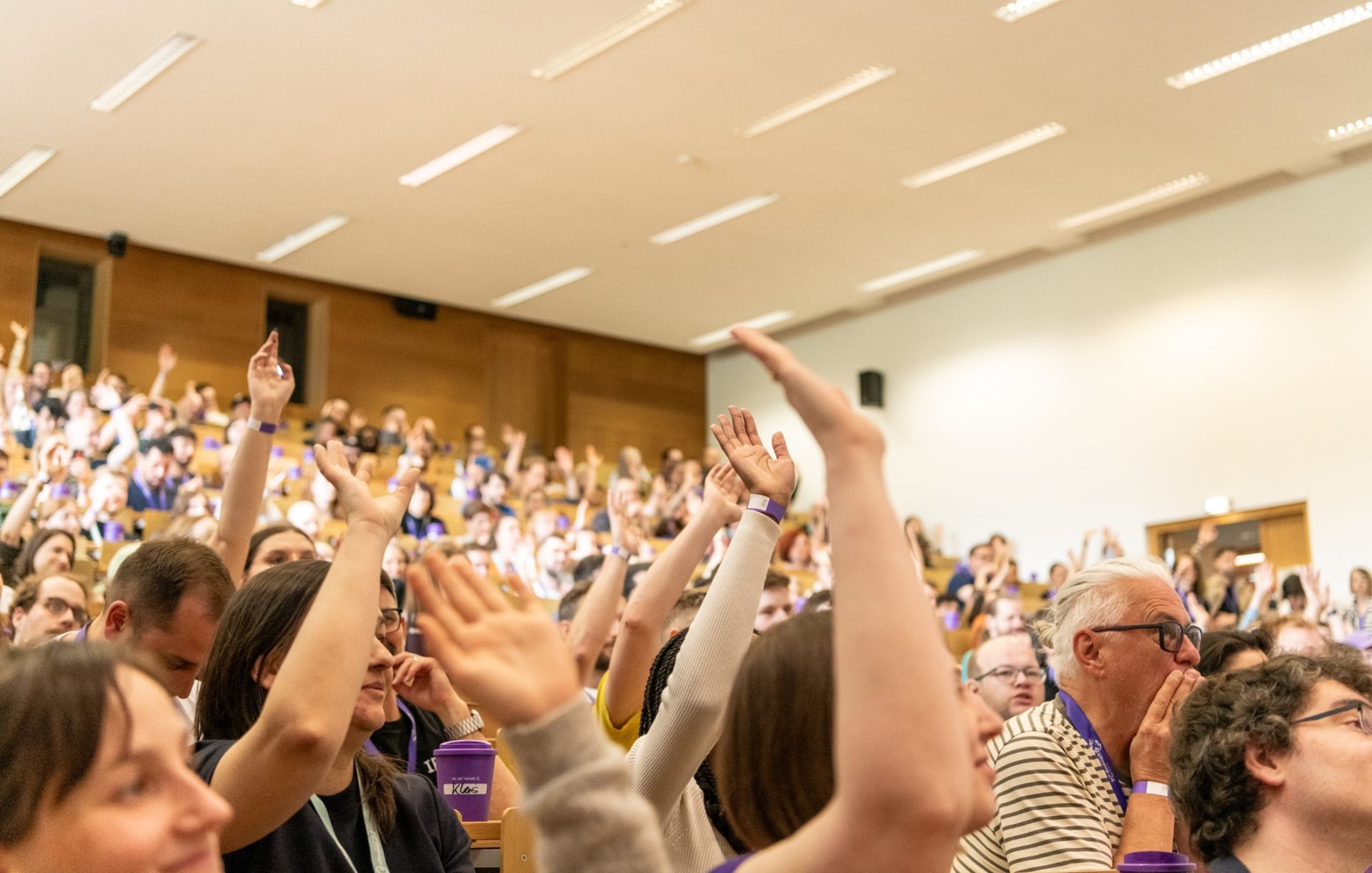
Another focus was on the fundamentals and advanced methods of design and prototyping. In the session “Design Ops Initiatives,” Julia Stevens explained how effective design operations can be implemented to optimize the entire design process. In “Prototyping for Better UX,” Jane Doe presented practical techniques for creating effective prototypes.
In front of a packed auditorium, Benjamin Lenz demonstrated how Yello is taking the initiative and developing a “multi-brand design system,” for both its subsidiary Yello and its parent company EnBW, as well as their respective app ecosystems. The presentation focused on two key challenges: multi-brand design and accessibility. The Accessibility Enhancement Act (BFSGV) specifies the accessibility requirements that must be met for products and services placed on the market after June 28, 2025. Benjamin highlighted the challenges, coordination processes, and efficiency gains, and took the audience on a deep dive into the current state of the Figma library.
User research & feedback
In her session “The final UX challenge: A look inside a DiGA program,” Nina Löwen (HelloBetter) highlighted the challenges patients face when accessing their prescribed DiGA app in the German healthcare system. She discussed how thoughtful design can improve the process by supporting patients during the waiting period. This session demonstrated how important it is to break away from established patterns and create a pleasant user experience.
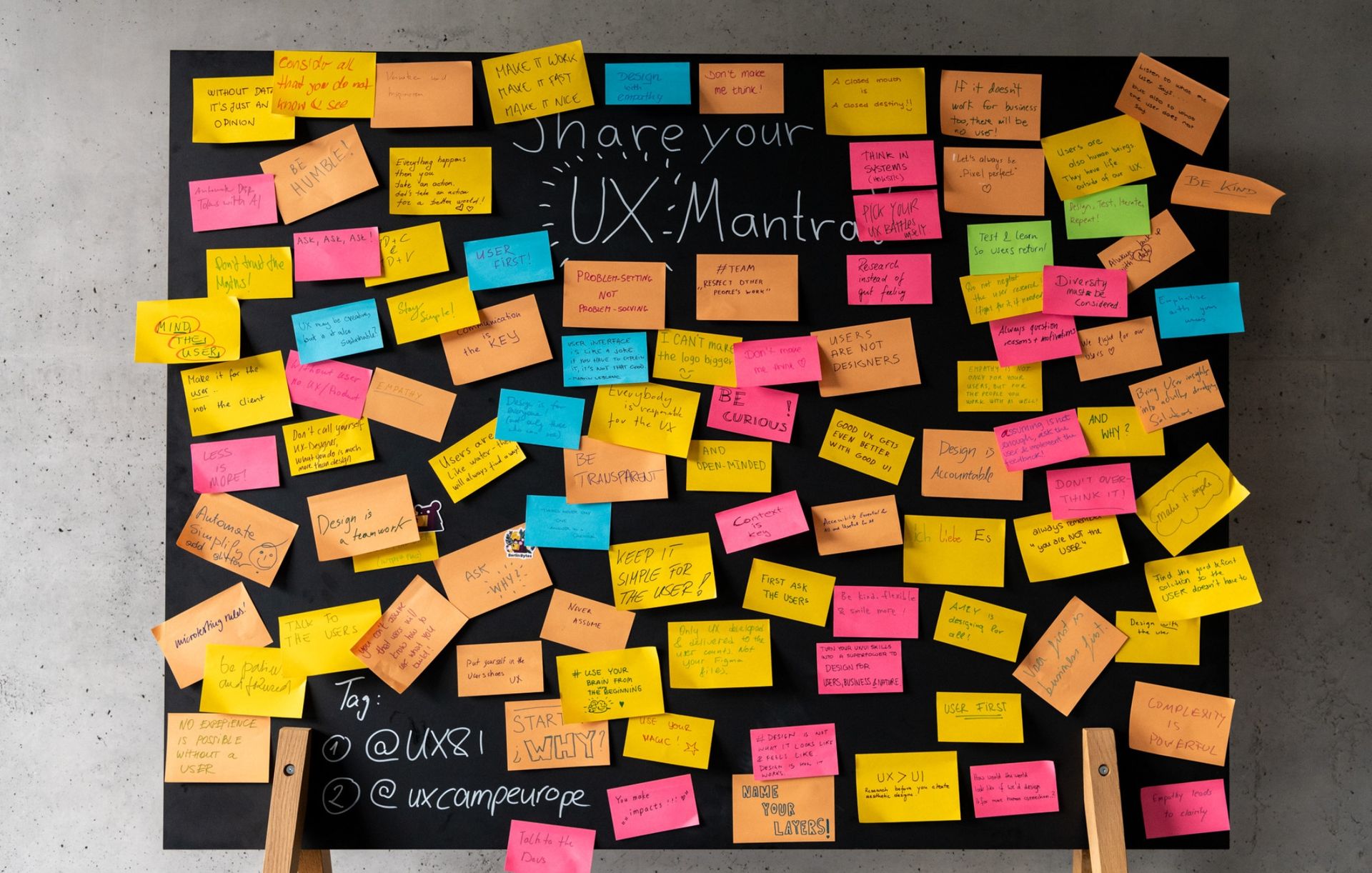
We’re absolutely thrilled that so many participants shared their UX mantras. Our wall was completely covered on both sides with Post-its full of valuable insights. We’ll also gather this inspiration at the UX Festival in Erfurt and use it to draft a User Manifesto.
Leadership & communication
Aleksandra Lazović (N26 Group) spoke about how designers can secure their place at the “grown-ups’ table” alongside business and finance professionals. She introduced the KPI Tree method, which breaks down large KPIs into smaller, measurable components to illustrate how design and UX directly contribute to these smaller metrics and ultimately support the overarching goal.
Eric Reiss concluded UXcamp Europe 2024 by drawing a distinction between inventions and innovations, emphasizing that to be truly innovative, one must address a specific problem.
Pimm Hogeling made a case for better communication between designers and developers. Far too often, “islands” are created for developers that require a great deal of effort to “visit” and “bridge,” which slows down efficient product development.
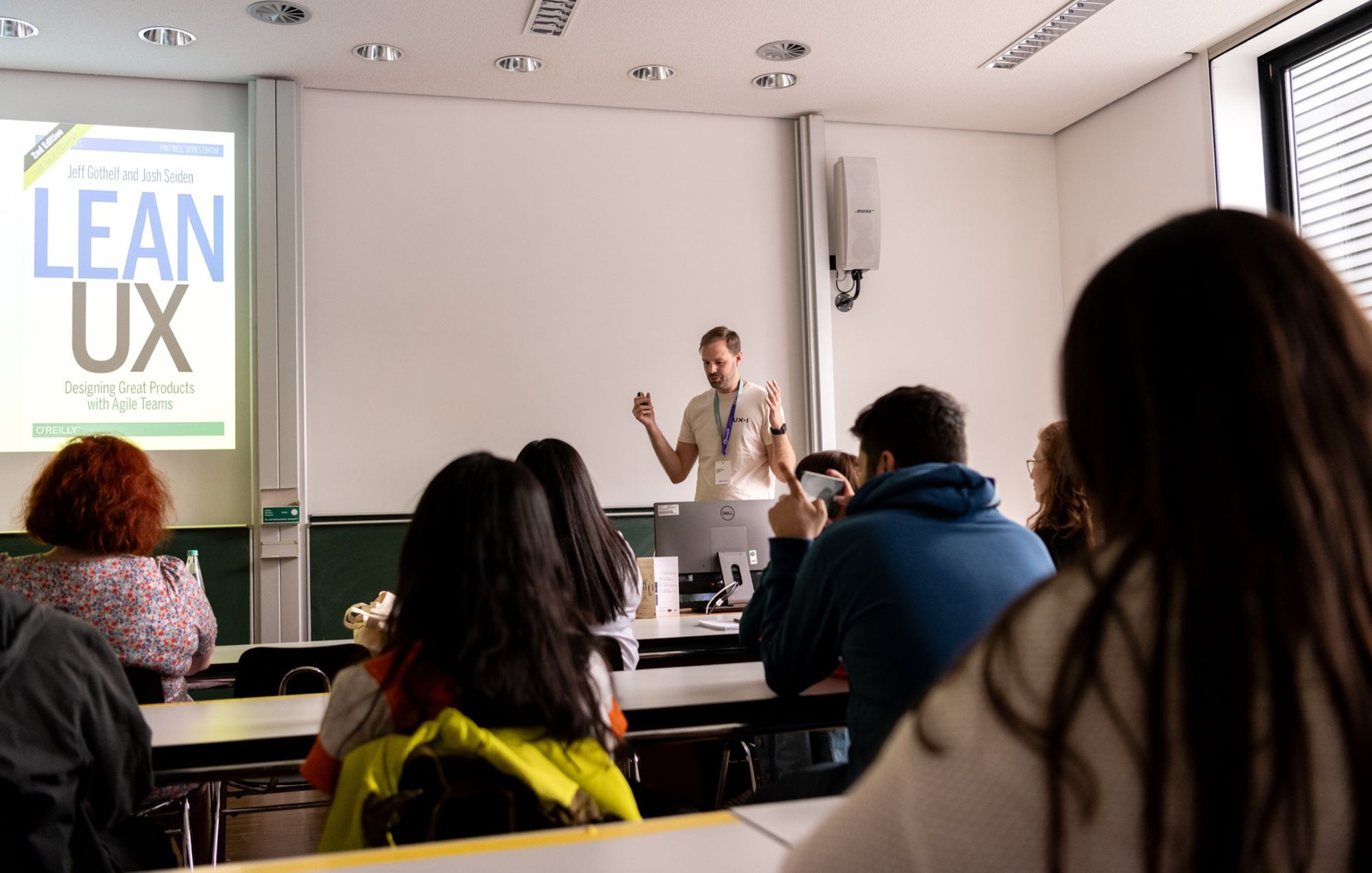
Christian Korff from UX&I shared his thoughts on SAFe® and UX. As an agile framework, SAFe® is now used in product development at many large corporations. Unfortunately, however, user-centered design often takes a back seat. Christian shared five practical tips that can help you take action and increase your own effectiveness within the framework.
Careers & culture
Another key focus was professional development in the UX field and the cultural aspects of the work environment. Topics such as remote work and fostering a positive work culture took center stage.
Kris Ghesh was there again as well, and as the youngest participant, he led two sessions in which he spoke about a topic close to his heart: sustainability and UX.
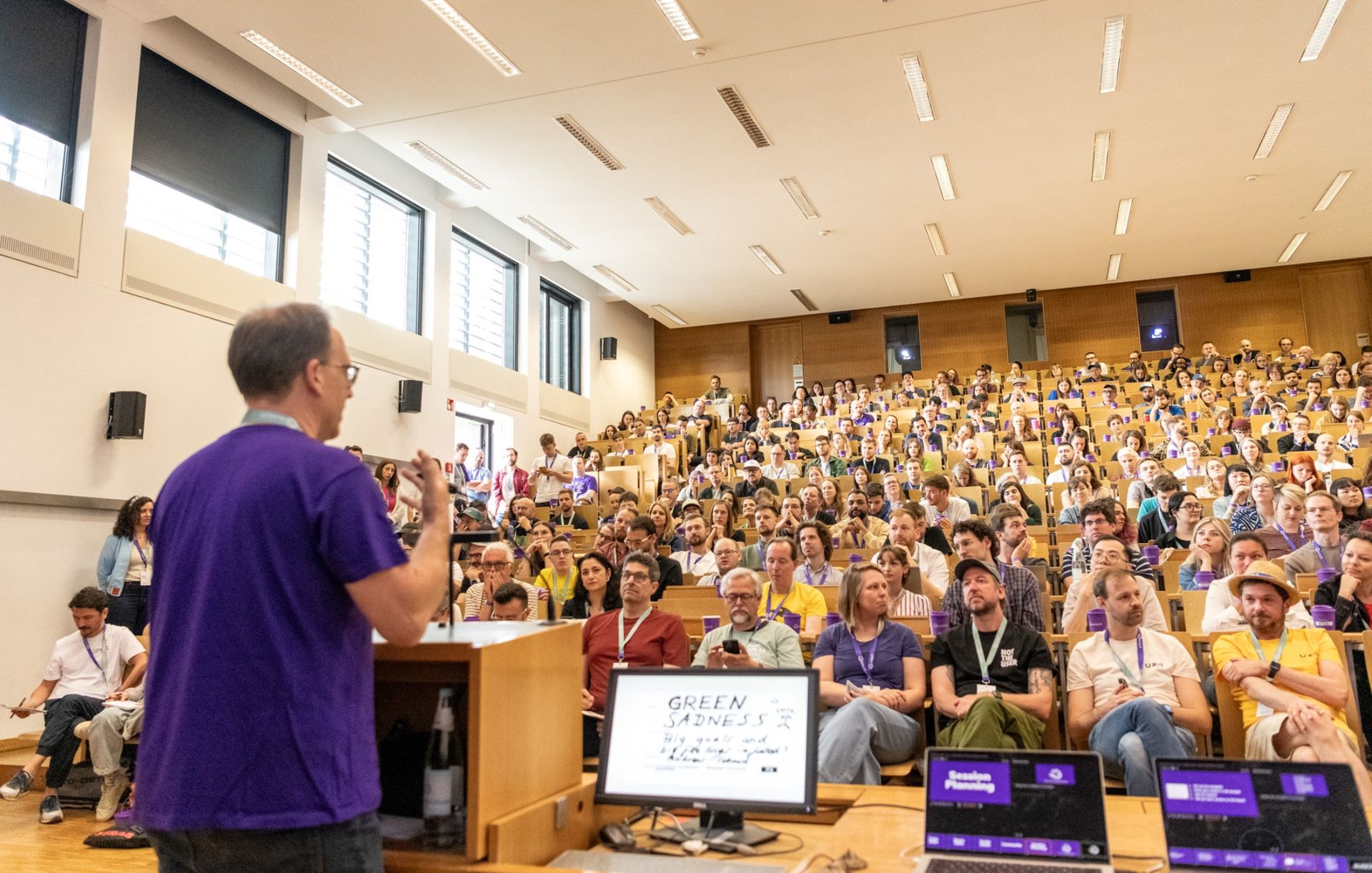
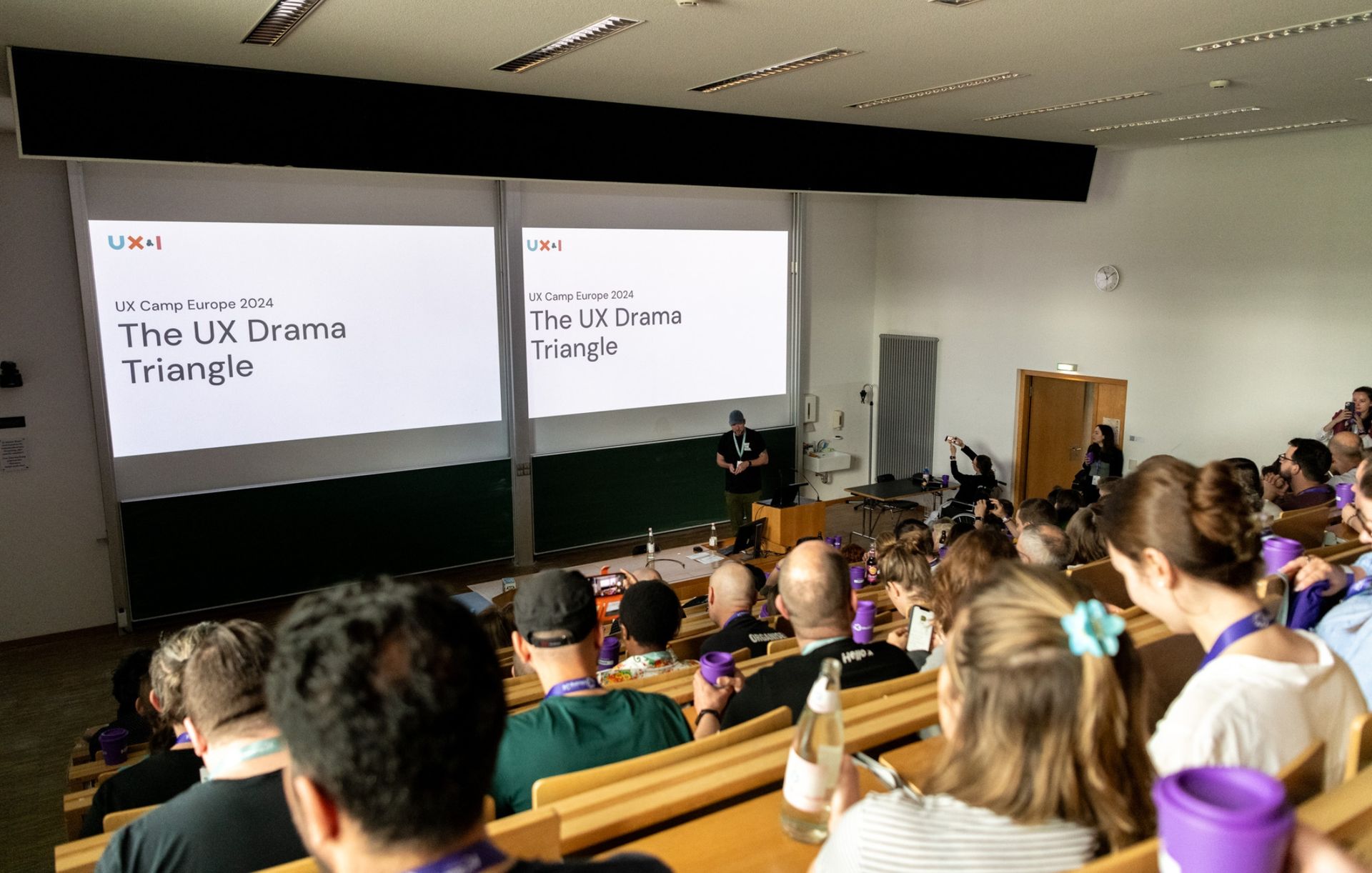
Hias Wrba from UX&I added a touch of humor and used the "Dranadreieck" to illustrate how designers often fall into the roles of savior, persecutor, or victim. He encouraged participants to find their way back to the "adult" role and presented his observations in an entertaining way.
Psychology & user behavior
Another key focus was the psychological aspects of design and user research. In the session “The Psychology of UX,” Dr. Anna Schmidt demonstrated how psychological principles can be used to create better user experiences.
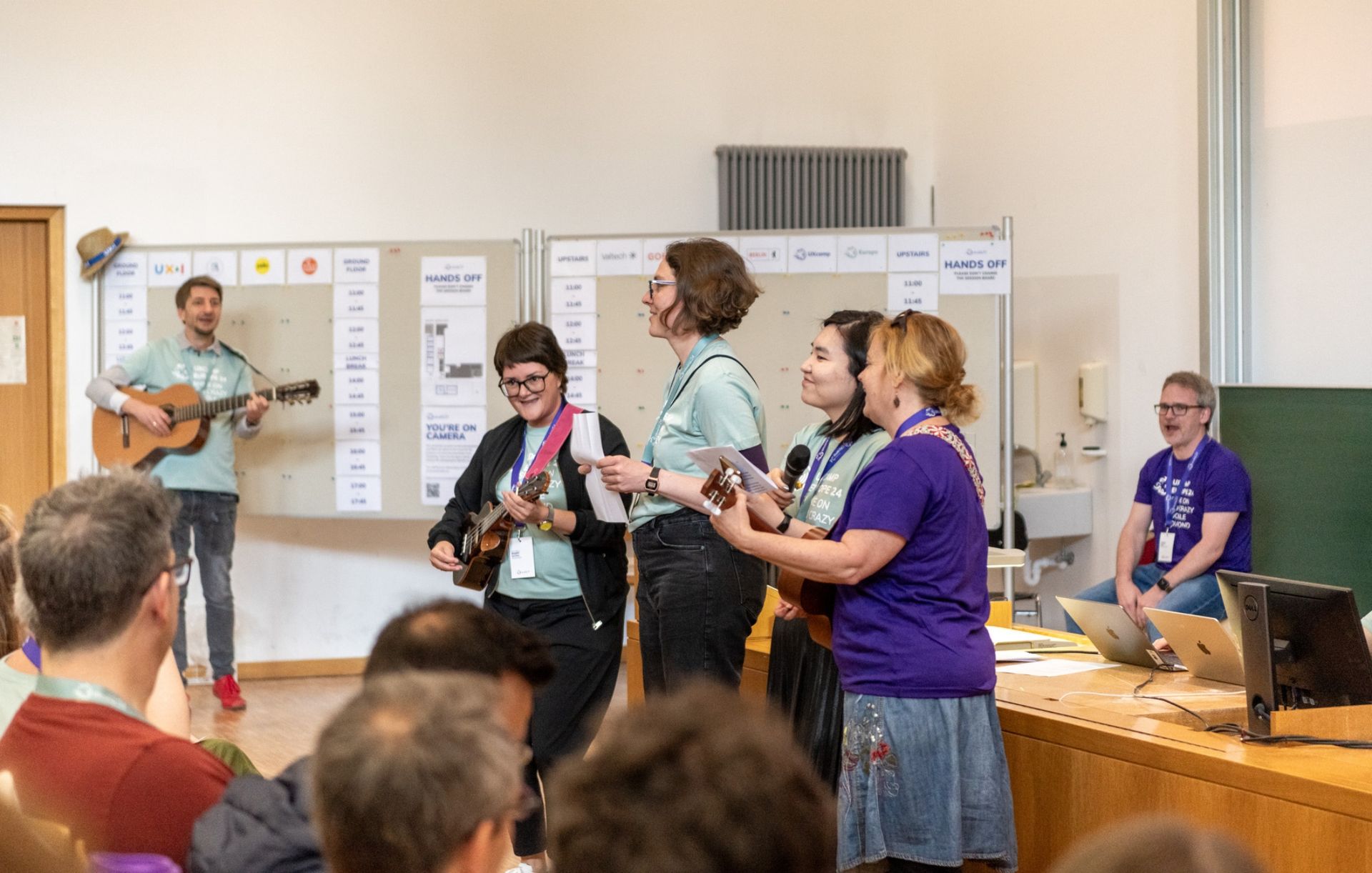
We found the weekend to be enriching and inspiring once again, and we’ll be drawing on these experiences for a long time to come. A huge thank you to the amazing organizing team: Katrin Eggert, Holger Eggert, Aelee Ko, Stefanie Bluhm, Henning Grote, and Maninder Singh. You all did a phenomenal job and made this event possible. Holger Eggert summed it up perfectly on Sunday: “The FOMO is real!” So save the date: The next UXcamp Europe will take place on June 7 and 8, 2025, once again in Berlin. We’re already looking forward to it!
Appendix
- Photos from UXcamp Europe 24
- UXcamp Europe (website)
About UX&I
UX&I offers consulting, enablement, and implementation services in the field of user experience (UX). We focus on deep tech, enterprise software, and digital transformation. Our goal is to help people harness complex technology to serve users. In doing so, we bring together all relevant perspectives: human, business, and technology.
- Locations: Düsseldorf (Headquarters), Berlin, Hamburg, Frankfurt am Main, Munich
- Employees: 37
- Founded: 2014
- Clients: Ten of the fifteen largest German companies, among others, rely on our UX expertise
Contacts

“UX is only sustainable if everyone gets on board.” Christian Korff turns user experience into a team effort and particularly enjoys getting involved with complex systems.
Hias is a product coach who, driven by his passion for agile methodologies, bridges the gap between people, business, and technology. He also shares his expertise at artop in Berlin through the UX Thinking concept, which he helped develop.

Thomas Göthe
Senior UX consultant
Thomas has been incorporating user needs into the design process since 2009. With a background in futures studies, he brings a unique perspective to user requirements.

Mike is a UX designer with an eye for software development, accessibility, and AI, transforming technical challenges into user-friendly solutions.

Analytical thinking and creative problem-solving have guided Rob on his journey toward user-friendly products since 2006. Rob also has a passion for methodologically sound user research.

Juliana has been bringing text to the digital world since 2009. As a UX writer, she ensures that language guides users to their goals and makes products measurably more successful.
Kay helps project teams and organizations become more agile and human-centered, one step at a time. He draws on his more than 20 years of project experience.