Services
Product Strategy
Strategic clarity for complex product development: We help you set priorities, align stakeholders, and create viable product visions.
Learn moreAlso on this topic: Stakeholder workshops
Product strategy
Requests from sales, business units, and clients end up in development unfiltered, and strategic goals get lost in the day-to-day. We’ll work with you to define your evaluation criteria, prioritize your projects together, and document the rationale behind every decision.
30-minute video call, free and with no obligation.
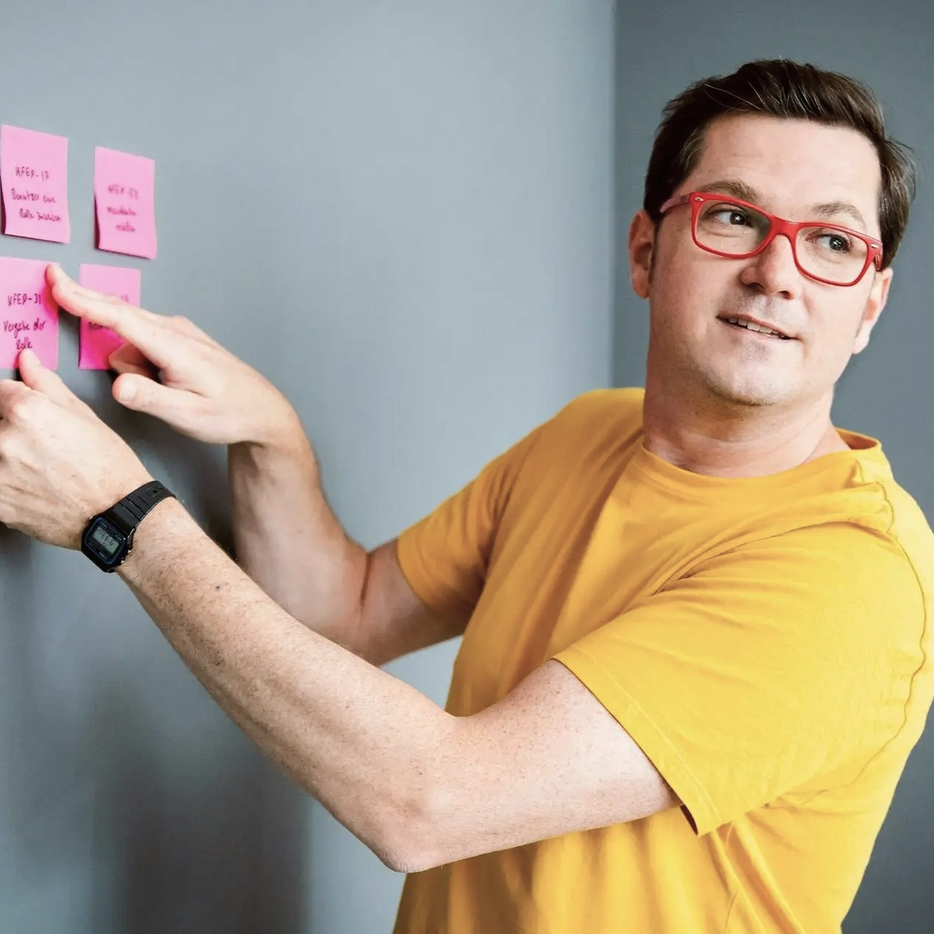


“At first, we were very caught up in project-based work. We were primarily focused on meeting our clients’ requests and working through their requirements. We’ve learned to say no sometimes and to drive our own roadmap forward.”
Sales, business units, and clients submit their requirements wherever they’re most likely to be heard. What gets built first is often determined by hierarchy or who makes the most noise.
The goals and vision have been established, but the roadmap doesn’t reflect them. In day-to-day work, whatever seems urgent at the moment takes precedence.
We need a rationale for what should come first and what can wait, and each group needs its own version of the plan for this.
You have insights about your users and a long list of potential improvements. Now it’s time to decide the order.
This is how we typically proceed. The depth to which we go in each step depends on what you already have in place.
We’ll work with you to identify the goals, determine who’s involved in decision-making, and define the timeframe the roadmap should cover.
You determine the criteria for evaluation before the first project is on the table. On top of that, you establish the framework: what’s on the agenda now, what’s next, and what comes later.
Business units, development teams, and decision-makers evaluate the projects based on these criteria. Where opinions differ, this is identified and documented.
We document the rationale behind every decision and structure the roadmap so that your team and decision-making bodies can understand it.
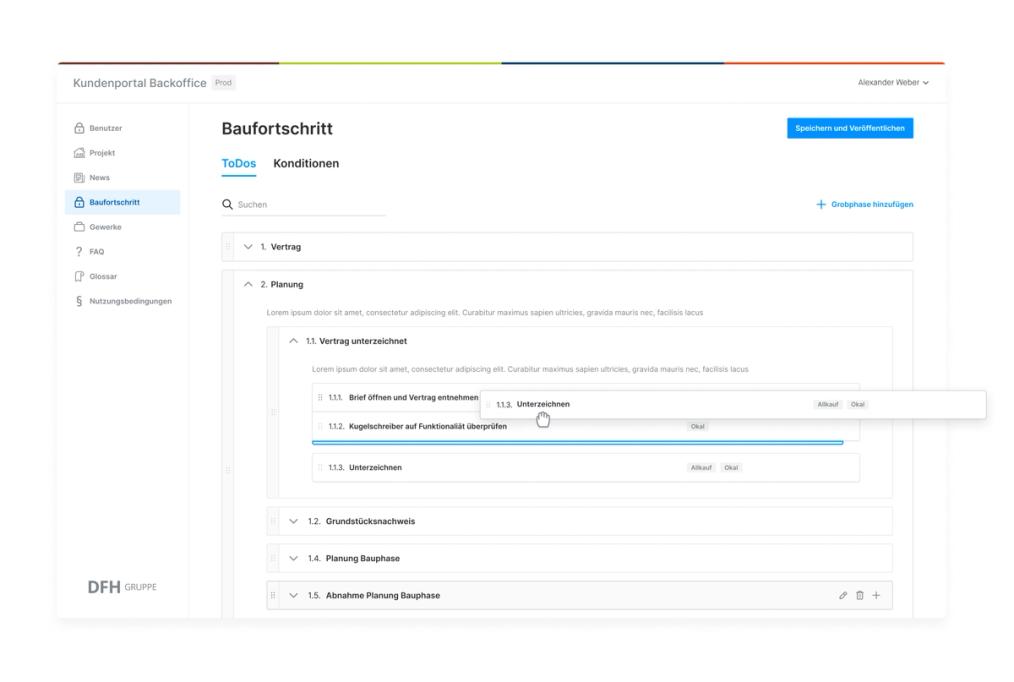
At the DFH Group, the focus was on measures for a customer portal, while at Provinzial Rheinland, the focus was on the requirements for a platform to connect customers with tradespeople.
Working on the product vision is a separate component. Once the roadmap is complete, the process can continue as follows:
Once we’ve determined which project comes first, we’ll work with you to break it down into releases along the user journey, for example using a user story map.
If a decision is based on an untested assumption, we bring the idea to life with a prototype and test it with users, for example, during a Product Sprint.
If your team wants to evaluate ideas and assumptions on its own in the future, it can learn how to do so in the Product Discovery Basics training.
The product strategy defines the direction in which the product should evolve and why. The roadmap organizes the initiatives that contribute to this strategy by priority. The backlog contains the specific tasks the team will work on next; a project plan specifies who will deliver what and by when.
Because it’s hard to say anything reliable today about a project that’s scheduled for a year from now. A steering committee uses this to see what comes first, what comes next, and why; detailed planning is reserved only for what’s on the agenda right now.
Yours. We facilitate the process, contribute criteria and experience from other projects, and document who made which decisions and why.
Then the roadmap shows where opinions differ on specific criteria. We’ll note that down, and you can discuss those specific points instead of the entire list.
That depends on how many projects and stakeholders are involved, as well as what’s already available, such as a product vision or user research findings. We’ll provide you with a cost estimate and scope of work as soon as we understand your project.
A product roadmap shows which initiatives contribute to a product’s goals, in what order, and why. It organizes initiatives by priority and rough timeframes, not by specific dates, and provides the team and stakeholders with a shared plan.
Tell us where your roadmap currently stands and who’s involved in the decision-making process. We’ll tell you how we’d approach setting your priorities.

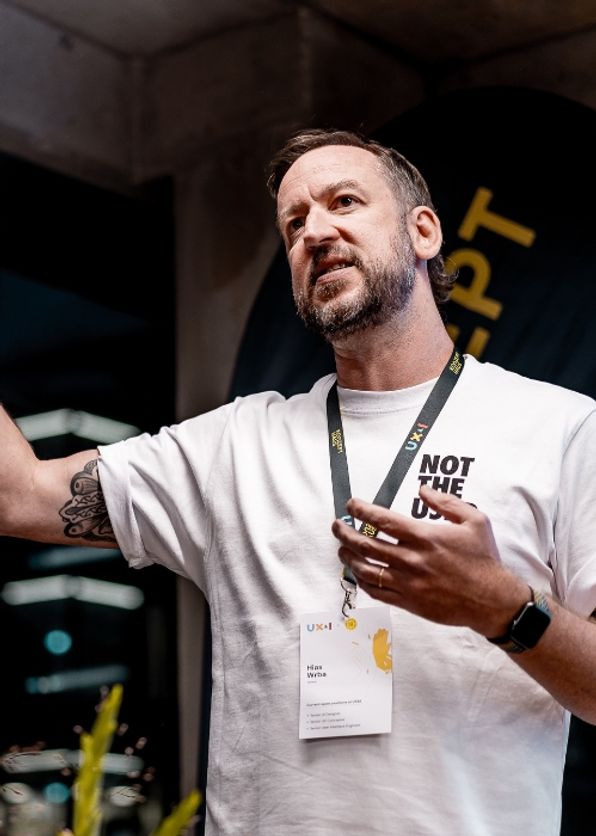
Nadine Pieper Senior UX consultant · Berlin
30 minutes by video call, free and with no obligation. All times are Berlin time.




Nadine Pieper
Senior UX consultant
Berlin