
Services
Product Strategy
Strategic clarity for complex product development: We help you set priorities, align stakeholders, and create viable product visions.
Learn moreAlso on this topic: AI Design Sprint®: Using AI wisely
Product strategy
The budget and timeline are set, but the business, IT, and business units have different ideas about the same project. We bring all stakeholders to the table and work with you to develop a vision and priorities that everyone can align on.
30 minutes via video call, free of charge and with no obligation.


“We’re a super-small UX team tackling a super-important topic. This only works if we do it together, involve the right people, let them help shape the process, and manage the whole thing as a team (stakeholder management). How we do it is more important than what we do.”
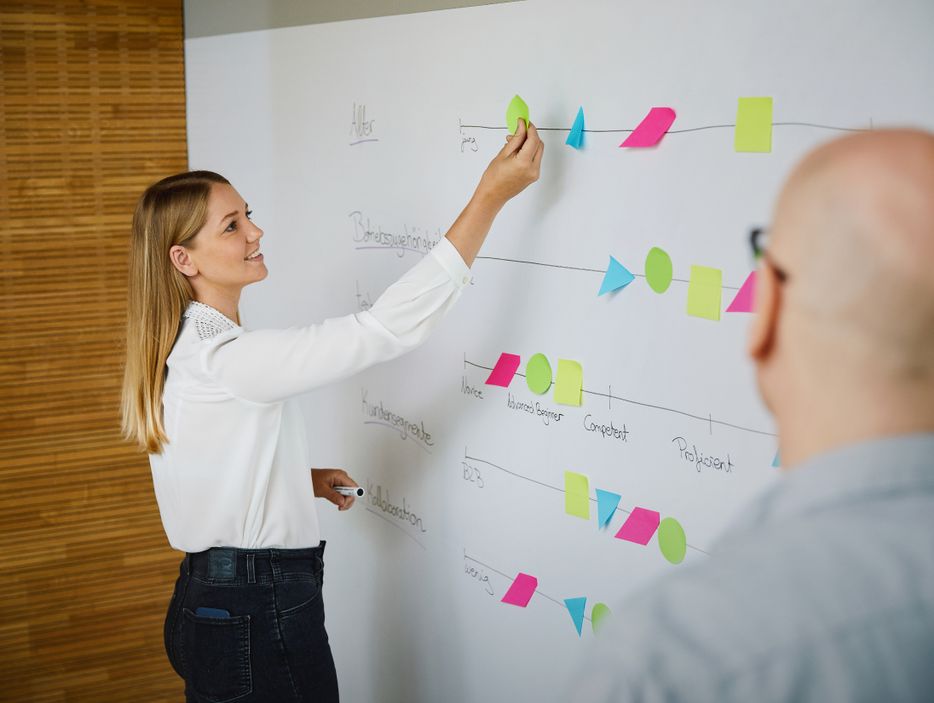
A stakeholder workshop brings together everyone who commissions, implements, or will later work with a project. It is particularly well-suited for four situations.
Implementation is set to begin, but there are several different interpretations of the project’s goals and scope. In the workshop, participants voice the assumptions everyone has quietly held until now, and it becomes clear where their perspectives diverge.
There’s a strategy or a vision, but nothing for the development team and business units to base their work on. We turn that into a clear picture that even a steering committee can understand.
Every business unit has legitimate requests. Together, you’ll prioritize them in a way that everyone understands.
Who are the users? Who makes the decisions? How do you work together? In this workshop, you’ll clarify all of this once and for all.
After the intro call, we’ll go through a checklist with you: Which topics has your team already addressed, and to what extent? This helps us determine whether a workshop is the right format and what you’ll focus on during it. We’ll discuss expectations in advance with the person responsible for the project.
For each topic, you’ll review what’s already in place, continue working on areas where something is missing, and determine priorities and next steps. This process will highlight where you agree and where you don’t. We’ll facilitate the discussion and document the results.
Let’s go over the checklist one more time: Where do you currently stand on each topic, what should you continue working on, and how urgent is it? In the follow-up meeting with the decision-makers, we’ll discuss what we recommend you do next.
Two projects in which workshops helped clarify the shared direction.
Our recommendation depends on where you are in the process. Common next steps:
If there is a lack of knowledge about the people who work with the software, user research is the next step: observing and interviewing them to find out how they currently perform their tasks.
Once the vision is clear, we bring it to life with a prototype and test it with users, for example, during a Product Sprint.
If you’re looking to identify where AI adds value in your product, the AI Design Sprint is the right format.
A stakeholder workshop is a facilitated working session in which everyone involved in commissioning, implementing, or later working with a project develops a shared understanding of its goals, scope, and priorities. Depending on the context, it may also be called a kickoff workshop, a requirements workshop, or a stakeholder alignment workshop.
Experienced consultants at UX&I: We employ only senior consultants. They have extensive experience with software projects, familiarize themselves with your project during the preparation phase, and are not affiliated with any of your departments.
That’s exactly what we’ll achieve: We’ll identify where your views differ and who makes the decisions. These points will be addressed in the follow-up meeting with the decision-makers.
The people who make decisions about the project, implement it, and are responsible for its technical aspects, as well as those who know the users well. We’ll work with you during the preparation phase to determine exactly who you need.
Typically two days, plus preparation and a follow-up meeting. We’ll provide you with the scope and costs as soon as we know the details of your project.
Yes. We conduct workshops both on-site at your location and remotely.
If the topics have already been thoroughly addressed, or if there’s a lack of knowledge that no one in the room has, for example about your users, this will become apparent during the preparation phase. In that case, we recommend a different first step.
Yes. The Product Academy offers a course on this topic called Conducting Workshops with Katja Paar.
Tell us where your project stands and who’s involved. We’ll let you know if a workshop is the right way to get started.

Nadine Pieper Senior UX consultant · Berlin
30 minutes by video call, free and with no obligation. All times are Berlin time.
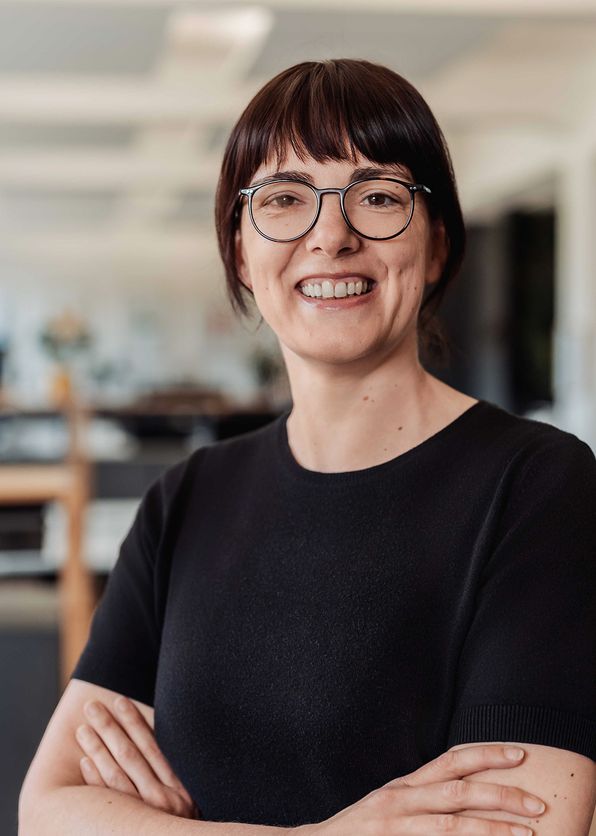
Nadine Pieper
Senior UX consultant
Berlin