World Usability Day 2025: Designing between AI and humans
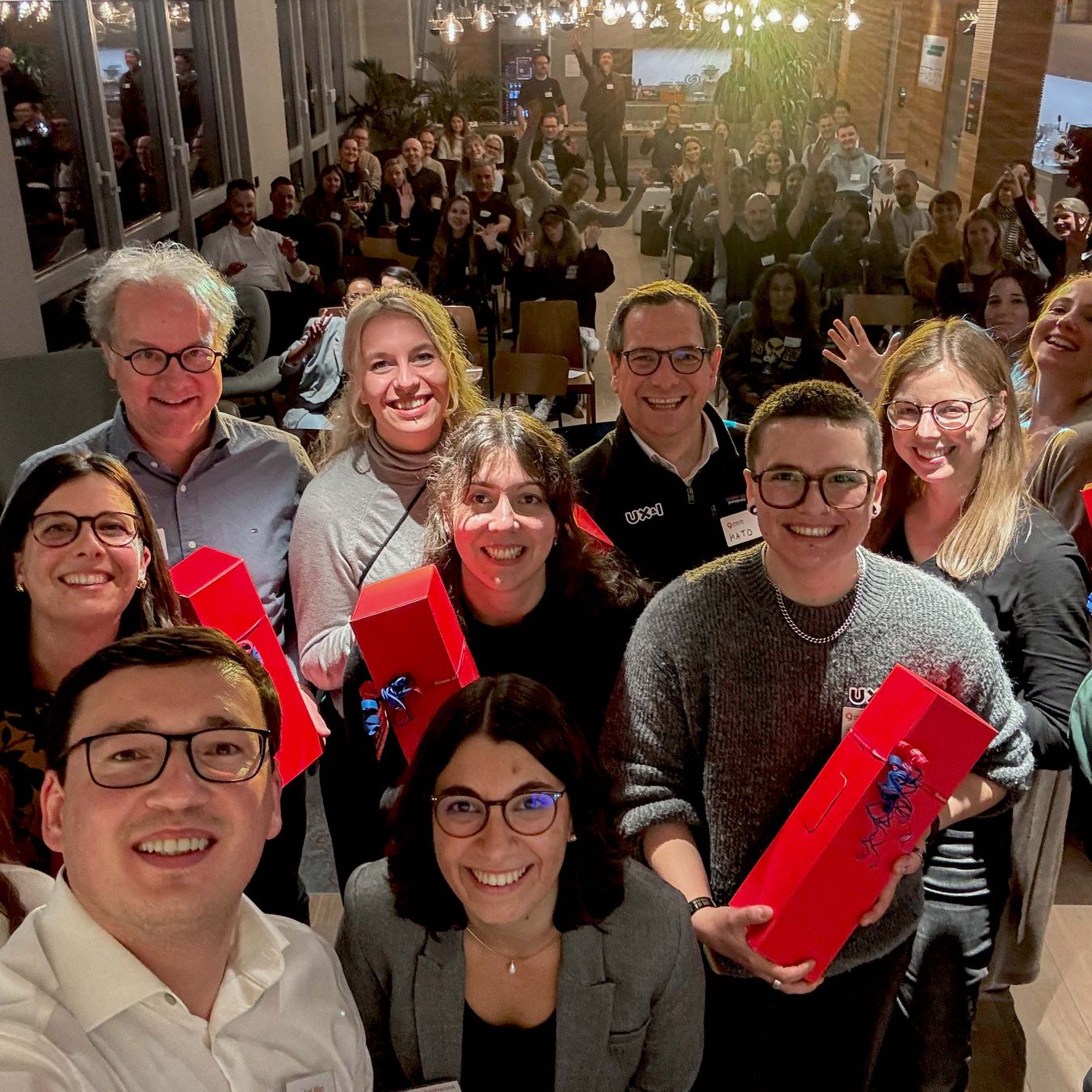
World Usability Day took place on November 13, with events on every continent. This year’s theme was “Emerging Technologies and Human Experience.” In Frankfurt, the German UPA regional group hosted an evening of insights on usability, artificial intelligence, and responsibility in the design of digital systems. UX&I supported the event as a host and as part of the local UX community.
Keynote focuses on the human factor
Flora Maxwell kicked off the evening with her keynote address, “Design Human First: Between Efficiency and Empathy.” Flora highlighted just how much our work is shaped by efficiency. AI further reinforces this trend. In the process, we often lose sight of what truly makes digital products effective: empathy, quality, and a human perspective on real needs.
Drawing on her own experiments with generative AI, she demonstrated that while AI can deliver results, it often fails to deliver what truly matters. Above all, it lacks an awareness of quality and the human factor. Flora advocated for striking a balance between efficiency and empathy to enable truly effective software development. Good designers know when rules can be broken. This requires experience, a shift in perspective, and a genuine connection to the user’s reality
We shouldn’t use AI to replace our own strengths, but rather to support them: for example, to communicate even more clearly with developer teams and help them bring designs to life. Flora shared examples from her daily work showing how she used Figma MCP and Cursor to make behaviors and interactions clearer for developers.
Flora’s closing thought: We can and must make mistakes. Take the pressure off, have fun, and learn. Finally, she shared a quote from the writer Maya Angelou with the audience: “People will forget what you said, but they will never forget how you made them feel.”
Building trust: between control and blind acceptance
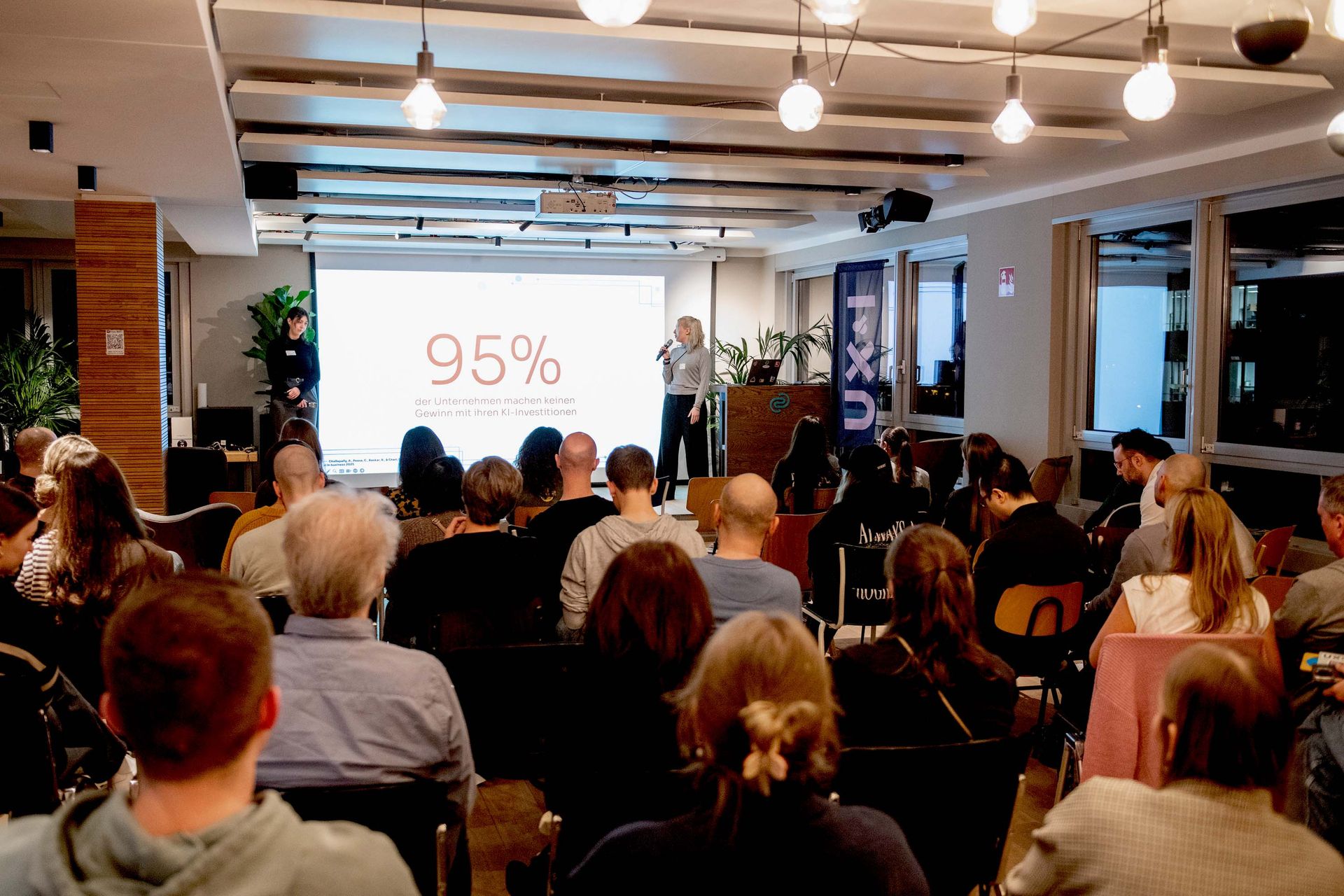
Claire Arrets and Marie Vollmer continued the evening with their presentation “Trust me, I’m a machine.” The focus was on how trust in AI is built and what role design plays in this process.
Between blind trust and outright rejection, we need interfaces that align users’ trust with the AI’s actual capabilities, for example, through confidence scores, source citations, options for clarification, or clear system boundaries. The discussion also covered design principles such as transparency, traceability, and error indicators, as well as tools like Elicit, which make AI-driven research transparent and verifiable.
Trust is not a static value, but rather the result of design. UX research, collaborative interactions, and transparent communication are crucial in this context, especially in complex systems that are intended to accompany people over the long term.
Moving beyond the standard chatbot: Workshop on creative GenAI solutions
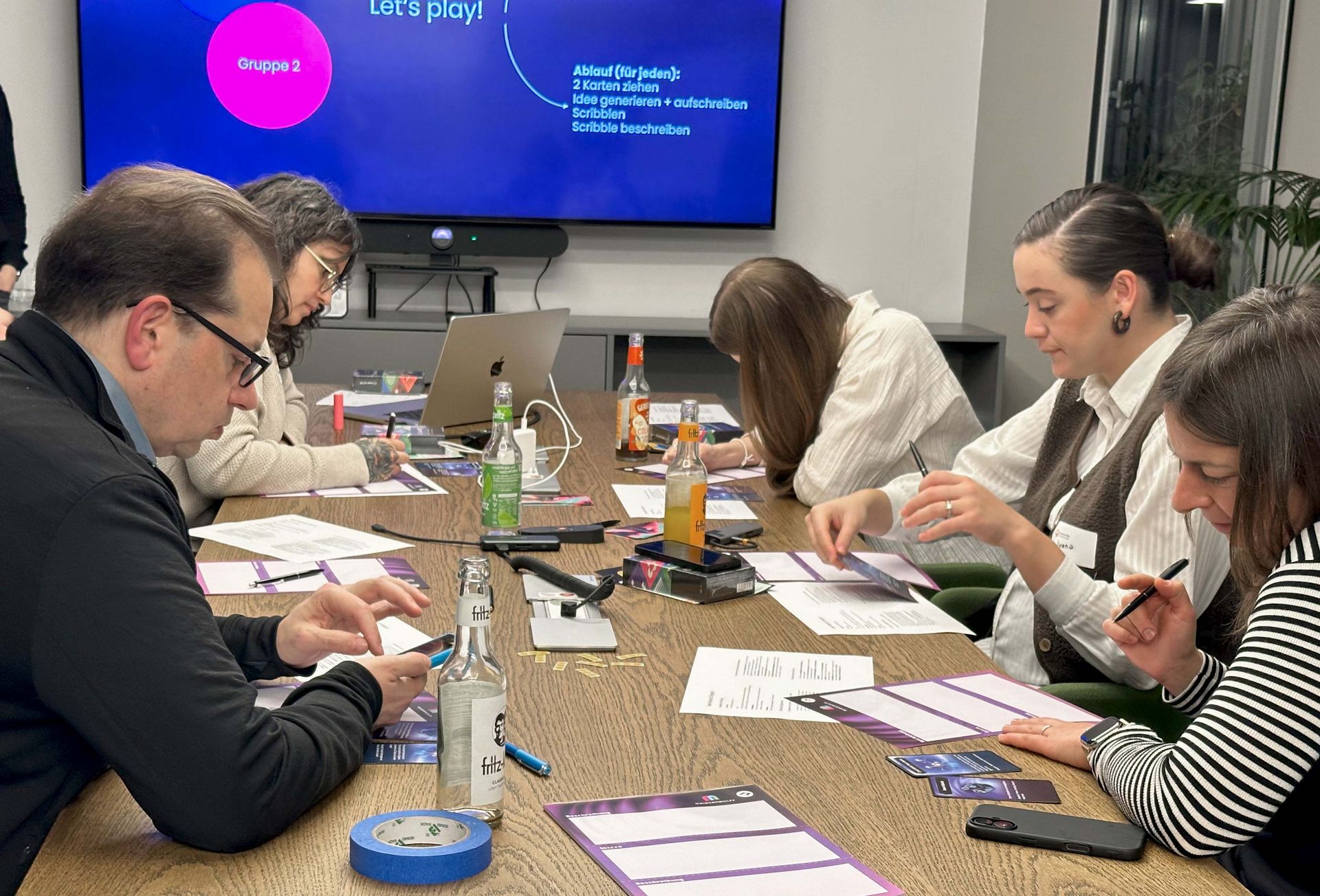
In their workshop “Not Another Chatbot!”, Eilika Freund and Kerstin Öchsner demonstrated how generative AI can be conceived beyond the same old application scenarios. Through the playful “Game of AI” format, interdisciplinary teams are encouraged to develop creative ideas, including those involving hardware such as wearables, VR headsets, or drones.
The workshop focused on a user-centered exploration of GenAI’s potential, particularly for early stages of innovation. A wide range of ideas emerged quickly and were then explored in greater depth through practical examples and discussions.
Microinteractions: Body language for digital systems
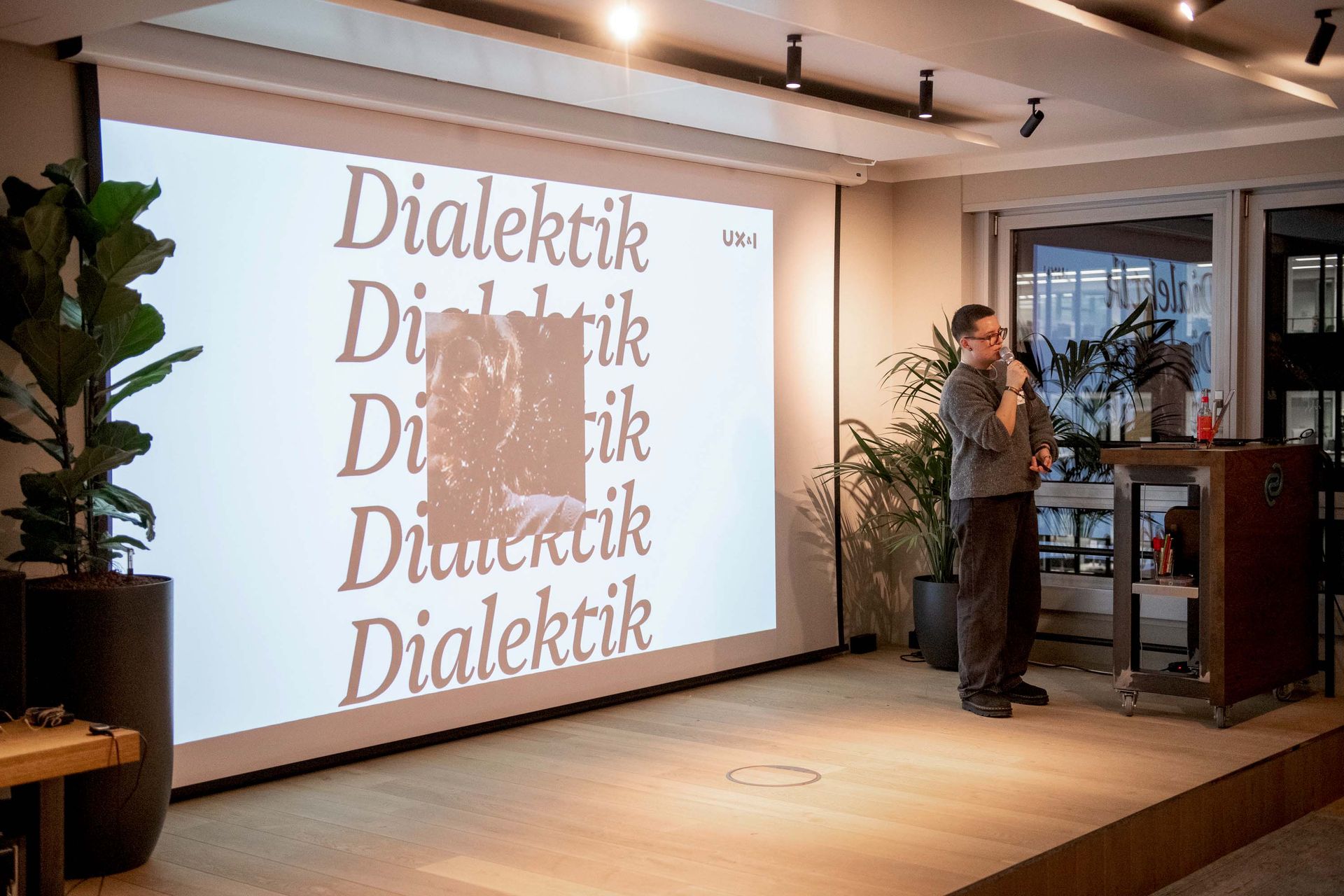
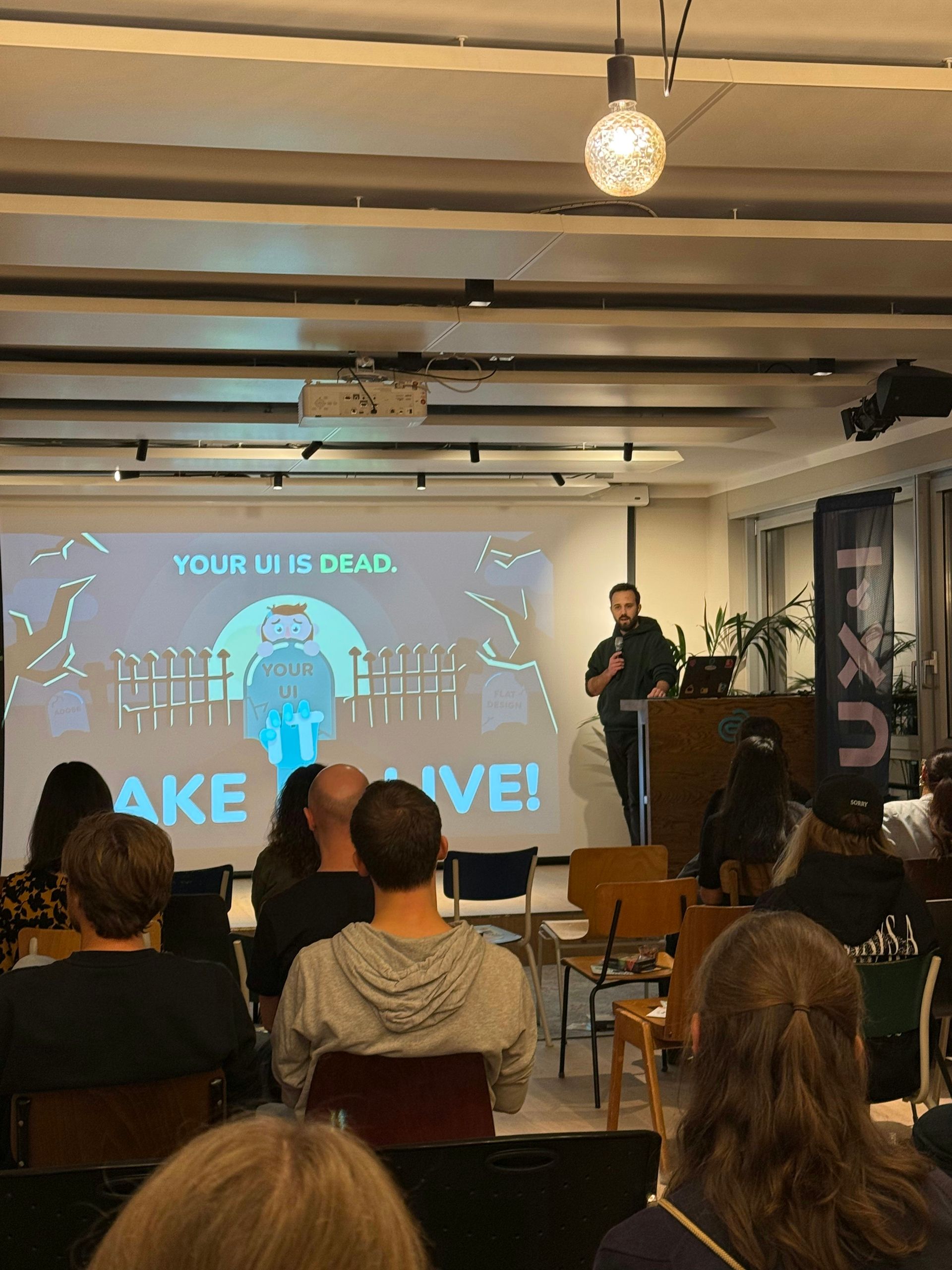
In his presentation “Your UI is dead. Make it alive!”, Sven Szota spoke about microinteractions as a form of nonverbal communication.
He explained how small animations, feedback, or transitions shape the perception of systems and why they are often underestimated, especially in functionally driven enterprise environments. A thought-provoking presentation that demonstrated: Even small details can have a big impact.
A culture of learning as a prerequisite for product responsibility
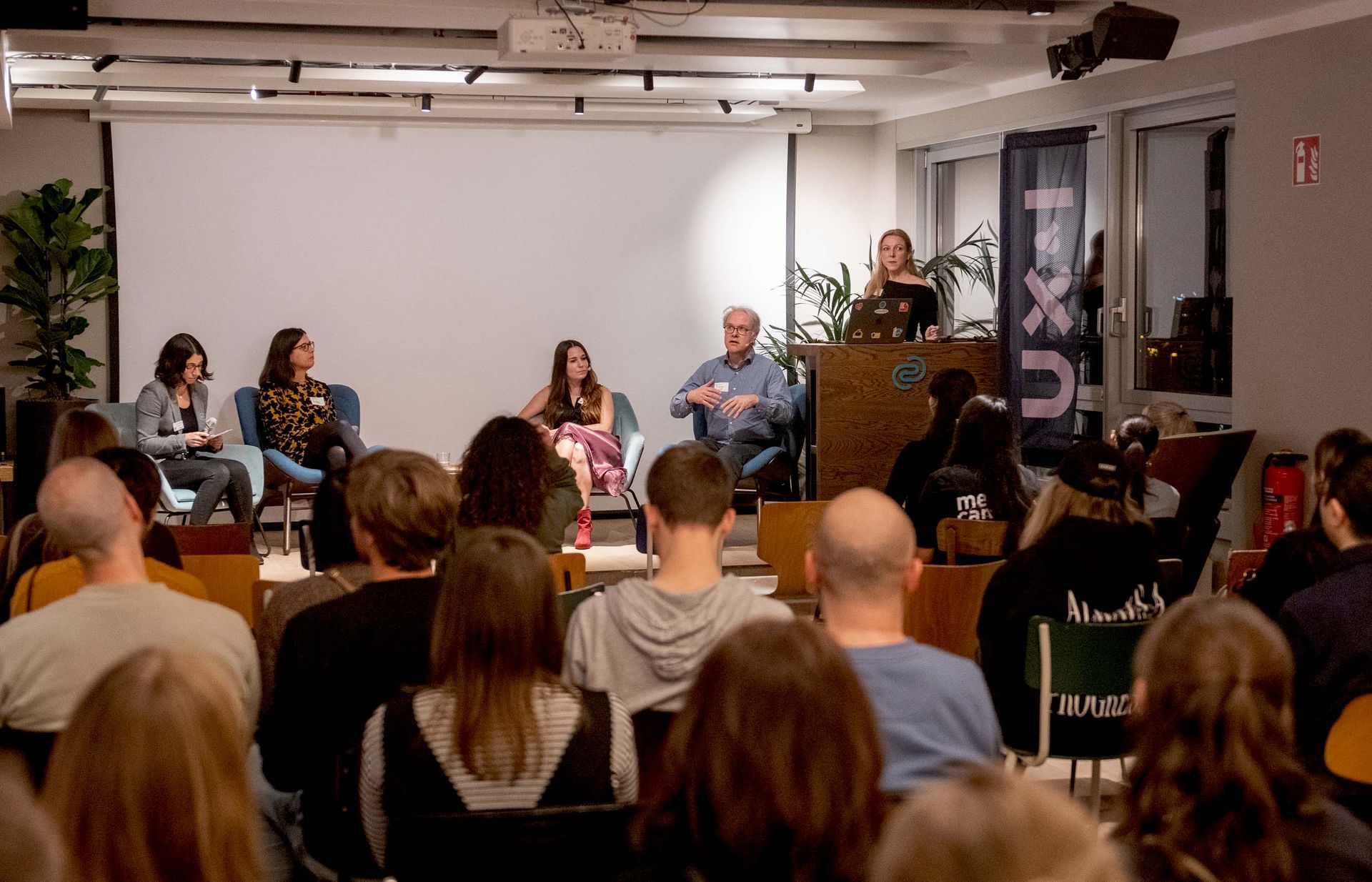
The closing discussion with Jacqueline Steigerwald, Nadja Riedlberger, and Dr. Thomas Vöhringer-Kuhnt focused on how the role of UX is changing in the age of AI and what that means for teams, processes, and individual development.
Flora Maxwell once again emphasized the need for space for experience: “I feel it’s more important than ever to create an environment where we’re allowed to learn, where we’re allowed to make mistakes, where we’re allowed to experiment, and through that, gain valuable experience.”
For anyone responsible for a product, this remains a key challenge: How can we create room for creativity without losing clarity and direction?
Many thanks to the Frankfurt Regional Group
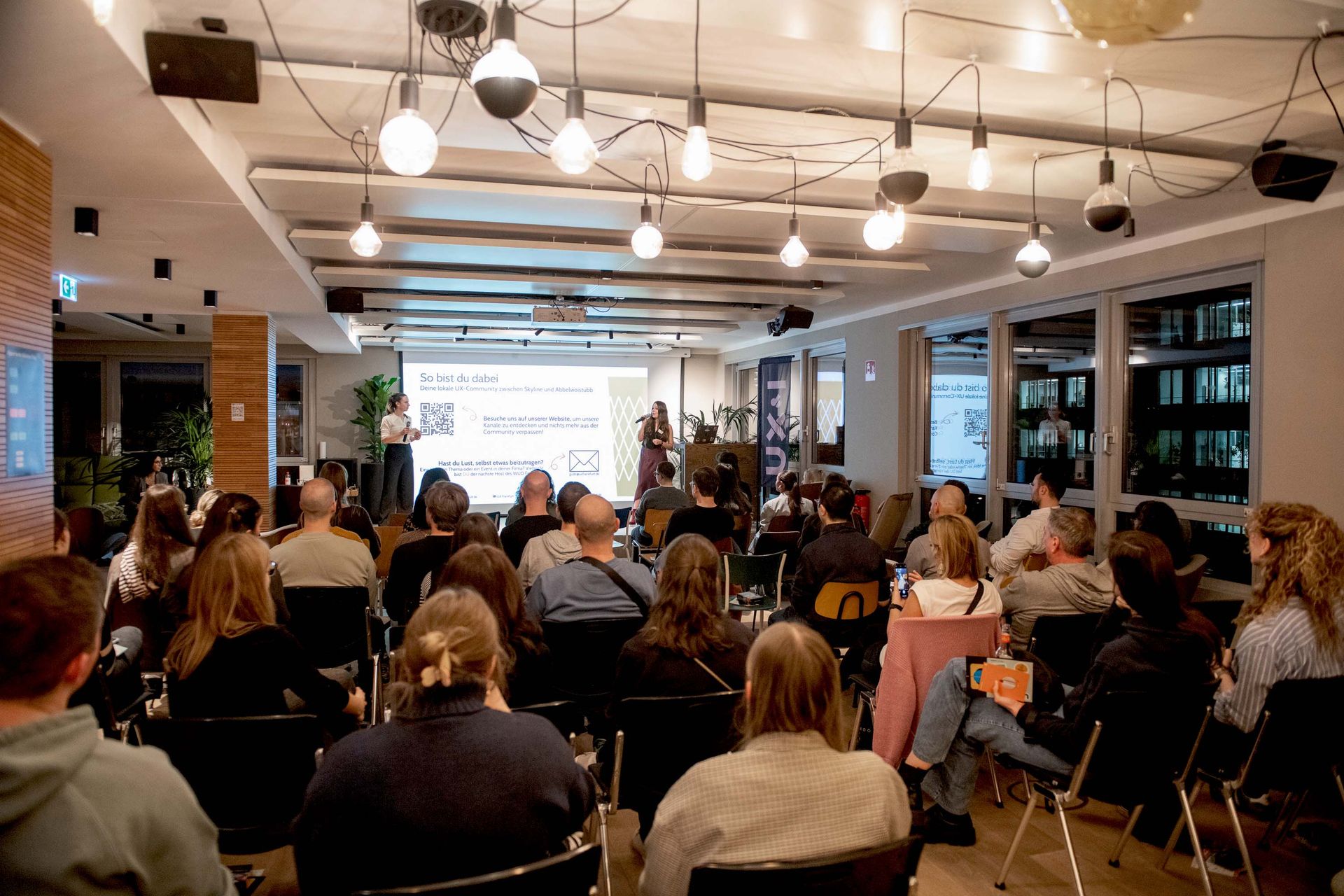
We would like to extend our heartfelt thanks to the Frankfurt regional group of the German UPA for organizing the event and for the valuable insights shared during the evening.
World Usability Day has once again demonstrated how important professional exchange, open discussions, and collaborative learning are for our discipline, especially in times when technology, responsibility, and design must be reimagined. Alexandra Basler-Pohl from UX&I sums it up perfectly: “What a fantastic event! Perfect organization, wonderful people, engaging presentations, and delicious food!! In the end, one thing became clear: AI can already do quite a lot, but true design requires heart, experience, and intuition... That’s why humans remain the true creative force that breathes life into it all with emotion. Because what a machine will never achieve is true empathy.”
About UX&I
UX&I offers consulting, enablement, and implementation services in the field of user experience (UX). We focus on deep tech, enterprise software, and digital transformation. Our goal is to help people harness complex technology to serve users. In doing so, we bring together all relevant perspectives: human, business, and technology.
- Locations: Düsseldorf (Headquarters), Berlin, Hamburg, Frankfurt am Main, Munich
- Employees: 37
- Founded: 2014
- Clients: Ten of the fifteen largest German companies, among others, rely on our UX expertise