Article
Why you should establish UX in-house, and how to do it


- By
- Jessica Berger & Nina Souris
- Reading time
- 11 minutes
- Updated
One of UX&I’s core goals is to empower our clients. But why is that? How do organizations benefit from having their own UX expertise? And how do you go about building that expertise within your company “from scratch”?
UX is always a good idea
Before we dive right in, let’s start with a fundamental question, one that already offers some initial insights into why UX expertise should be available in-house sooner or later: What advantages does UX actually offer in product development? We could fill books with the answer, but these three main reasons will get you started:
- Human-centered approach: UX ensures that processes, ways of thinking, and ultimately the product are centered on people, or users.
- Speed: UX methodology aims to bring the best possible product to market as quickly as possible.
- Cost-effectiveness: Establishing UX early on, in particular, increases process efficiency and saves costs.
That’s why in-house UX expertise makes sense
Now you might say: “We’re convinced UX is important, so let’s just buy it in.” That’s possible. In principle, you could outsource everything, from UX design to UI design to front-end development, to external service providers. But why isn’t that recommended?
UX is simply too important
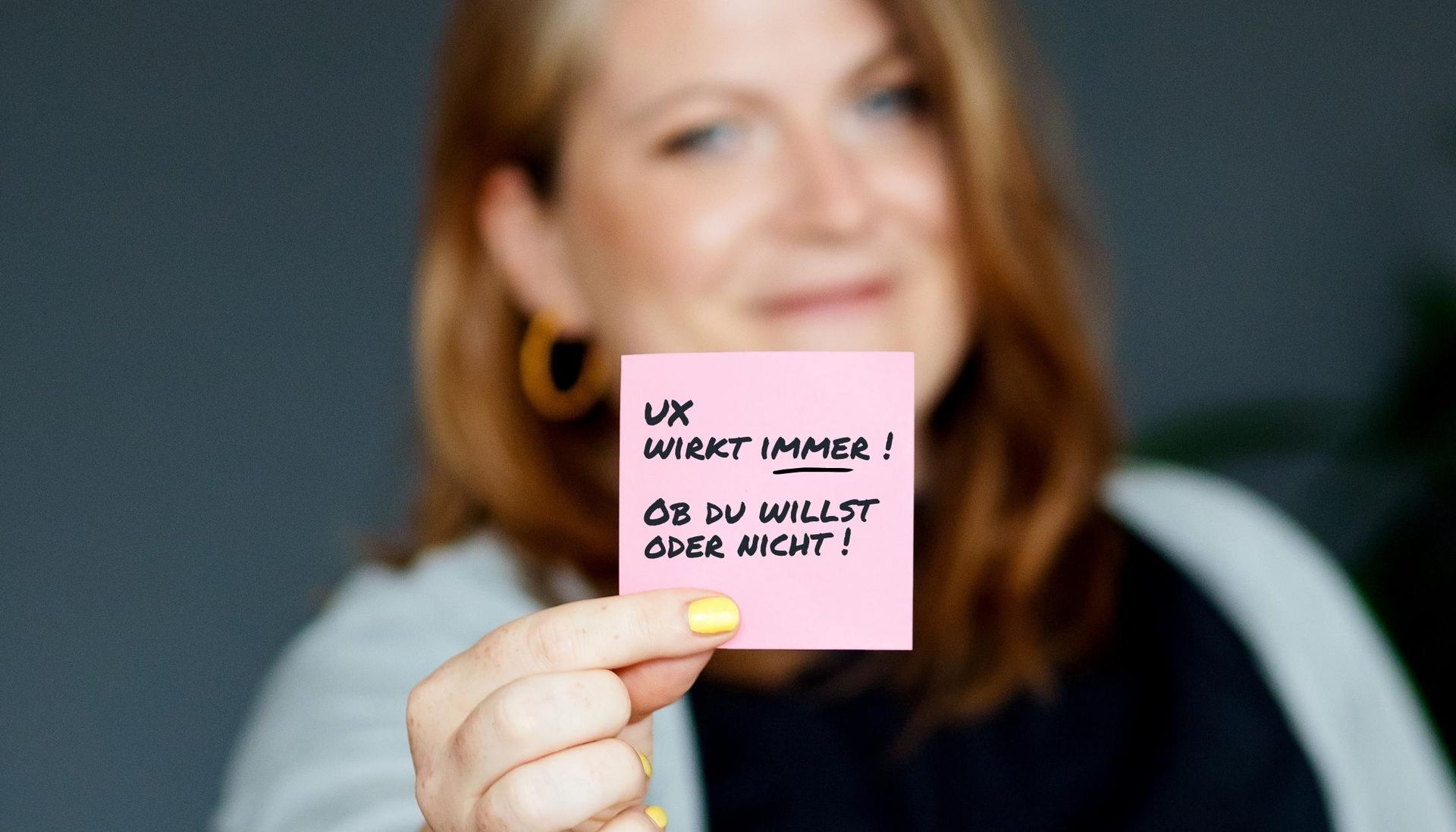
UX always has an impact, whether you want it to or not. Whether planned or unplanned. Whether for better or for worse. If UX principles aren’t integrated and the user experience isn’t actively designed, your product may end up being developed without taking users into account. In the worst-case scenario, you won’t realize until it’s too late that the market isn’t accepting it. By then, a lot of time and money will have been spent, and making changes will require a significant amount of effort. When UX is firmly embedded in an organization’s product development processes, it is given the priority it deserves. You ensure from the very beginning that your product meets users’ needs.
In-depth knowledge and understanding of internal relationships
When we, as UX consultants, take on a new client project, we do everything we can to understand the product and the organization down to the very core. We listen, think, and dig deeper. This helps not only us, but often the entire team as well. Nevertheless, in-house staff have a major advantage: Not only do they have in-depth knowledge from the start, they also understand the big picture within the context of the company. They’re aware of internal dependencies and political hurdles. They know the other employees and the company better than outsiders do.
Continuity provides security
UX is a mindset, a way of thinking and working that works best when it’s embraced throughout the entire company. An in-house team is the most effective way to spread this mindset throughout the company and embed it for the long term, even across departments. Another advantage: In-house resources are easy to plan for and always available. When you have UX experts on staff full-time, you can ensure that user needs are taken into account at all times.
So there are solid arguments for having UX in-house. Does that mean every company, from startups to DAX-listed corporations, should get started as soon as possible and hire UX experts? Theoretically, yes. But then there’s reality. Young companies, in particular, often lack the money and time for internal UX resources. The initial focus is on technical implementation. While it would be possible for established companies to hire experts, they often lack the internal know-how to search for and find the right candidates. How do you build out UX, who do you need, and how can these resources be integrated into the existing organizational structure? These questions cannot be easily answered by those outside the field.
In short: External support is definitely helpful, especially in the beginning. Here are a few tips.
What matters most when seeking external support
Of course, external support can take many forms and have different areas of focus. Nevertheless, we’d like to share some criteria that we consider to be key characteristics of external service providers, and that we, therefore, follow ourselves.
Service providers don’t work for you, they work with you
When we’re called in as UX consultants, our initial assignment is often: “We have this or that usability problem, please fix it.” And that’s exactly what we do, though never behind closed doors on our own. We form a team with our clients and work together to develop a solution that incorporates all the necessary disciplines. It’s crucial that internal employees are involved from the very beginning. This is important, if only so that external consultants can understand the product and the users. This knowledge can only come from within the company itself. Conversely, this collaboration also helps foster an understanding of UX within the company.
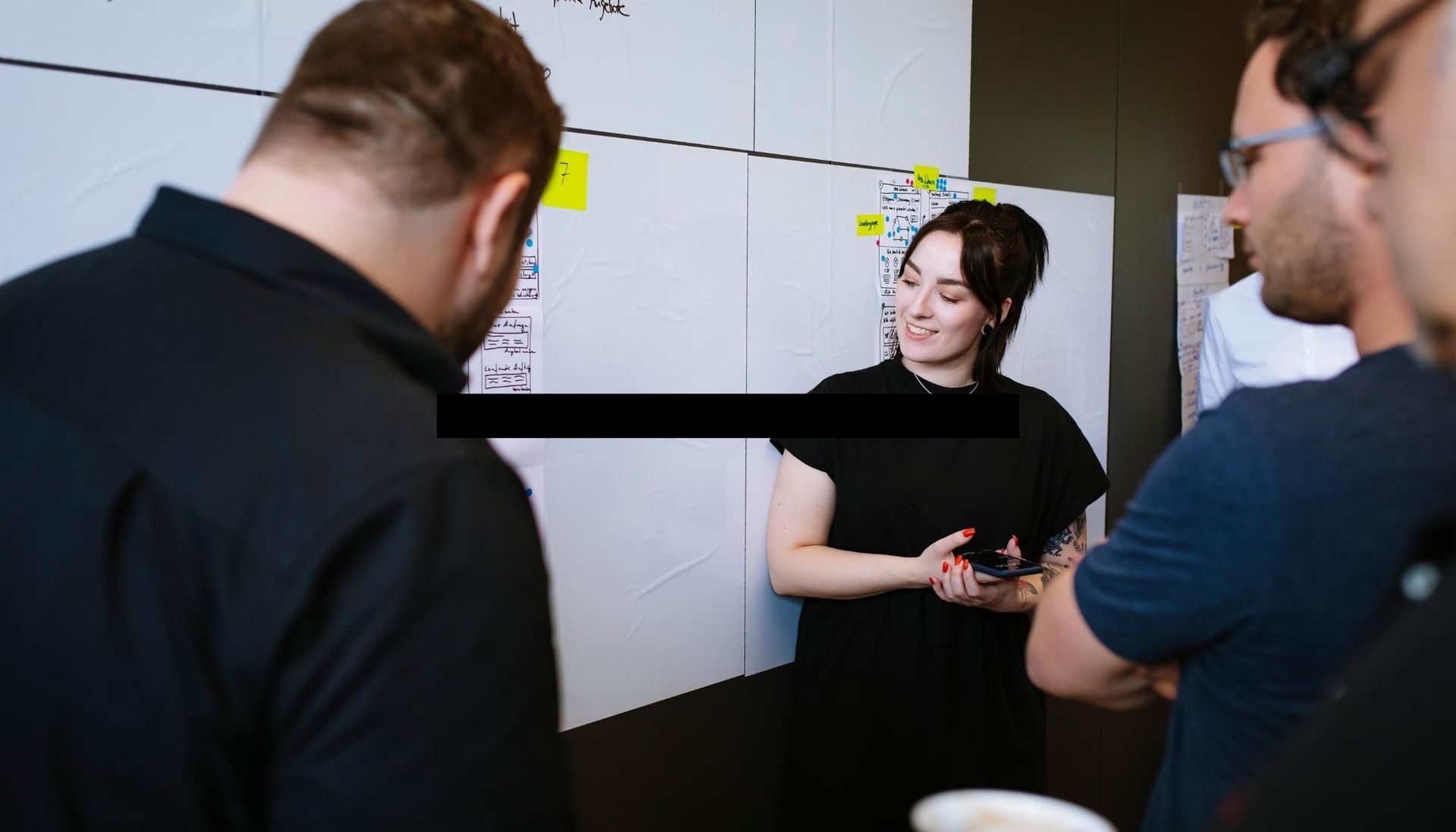

UX is teamwork and works best when it’s understood and supported by everyone. Communication and collaboration on an equal footing are crucial. That’s why we don’t call ourselves a UX “agency,” meaning a service provider that simply does work for its clients, but rather an UX “consulting firm.” Even if this linguistic distinction isn’t always made, you can still ask a service provider upfront to what extent collaborative work is part of their everyday practice.
Enablement is the goal from the very beginning
We noted earlier that it always makes sense to integrate UX into the organization itself sooner or later. This only works if external UX experts also keep this goal in mind from day one and align their own actions with it. They should work toward making themselves redundant at a certain point. This must be the foundation; otherwise, there’s a risk that a certain mindset will quickly creep in internally, namely, “There’s someone who’s good at this and can handle it for us.” But how do you recognize this approach in a service provider? Offering cross-team UX workshops, as well as personal coaching and mentoring, is an important criterion. These sessions shouldn’t just impart specific UX knowledge, such as methodology and processes. Equally important is offering support in building internal UX resources, such as assistance with recruiting.
When to start?
Typically, a UX department isn’t set up from scratch all at once. It starts small and is then expanded based on needs, financial resources, company size, and other factors. It’s also perfectly fine, especially in young startups, to outsource UX initially. The important thing is to factor in UX expertise in-house from the very beginning and get started, even if it’s just in small steps. Perhaps simply by having the existing team acquire UX knowledge first. UX must gradually become part of the company’s DNA.
So when should you start? As early as possible, and better to start right away than to go all in at once.
Who do you need? Tips for recruiting
Find a pioneer
When you’re filling a permanent UX position for the first time, the candidate’s exact role is secondary at first. Especially for the initial team, you need professionals; you can fill the rest of the team internally later. You need someone who’s passionate about user-centered design and thinks outside the box, someone who can inspire others. As a “pioneer,” this candidate has the crucial task of establishing UX within the company and making user-centered design a topic that captures people’s attention. That takes a tremendous amount of energy, and you have to be able to handle uncertainty.
What should be included in the application?
It’s perfectly fine to have a diverse background. At the beginning, you need to develop a vision and build a foundation. That’s why the person you hire can come from other fields. It’s great if candidates have run their own business before and have a broad range of experience. Certifications from Fraunhofer, artop, or German UPA are a plus, but a degree in Human-Computer Interaction, Media Informatics, Psychological Informatics, or an interdisciplinary program in this field is even better. But UX is still a relatively new field, and there are many talented people coming from other backgrounds, such as design, communication, and writing.
Where can you find candidates?
You can meet candidates, for example, at job fairs like the German UPA Job Fair or at conferences like Beyond Tellerrand or Smashing Conf. Of course, you can also reach out directly to suitable candidates on LinkedIn, Xing, or Das Auge. It’s often worth bringing in specialized recruiters as well. In job postings, you should be as specific as possible and avoid describing the “jack-of-all-trades.” During the interview, it’s also crucial that you know and demonstrate what you’re looking for. Explain your organization’s purpose and vision: this will quickly reveal whether you’re a good fit. We always ask ourselves: Do we want to work with this person? Trust your gut.
Here’s what it might look like: 3 examples of UX organizational structures
The plain truth: There’s no secret formula for the perfect UX department. Every company is different, has its own specific context, and starts from a different place. To give you a sense of how UX expertise can be integrated into an organization, here are three examples from our own work.
steadybit: UX in the early startup phase
All three founders of steadybit are developers. This had many advantages at first, and development moved quickly. The problem, however, was that the UI wasn’t very user-friendly. UX&I was brought in to improve usability, but it was clear from the start that the three founders wanted to learn UX on their own. We held many workshops and worked together to figure out the basics: What are the product’s strengths and weaknesses? What should it be able to do? What do users expect? And who exactly are our customers? Throughout the process, we repeatedly introduced tools, some of which are now part of our daily toolkit, such as Design Studio and the Affinity Map.
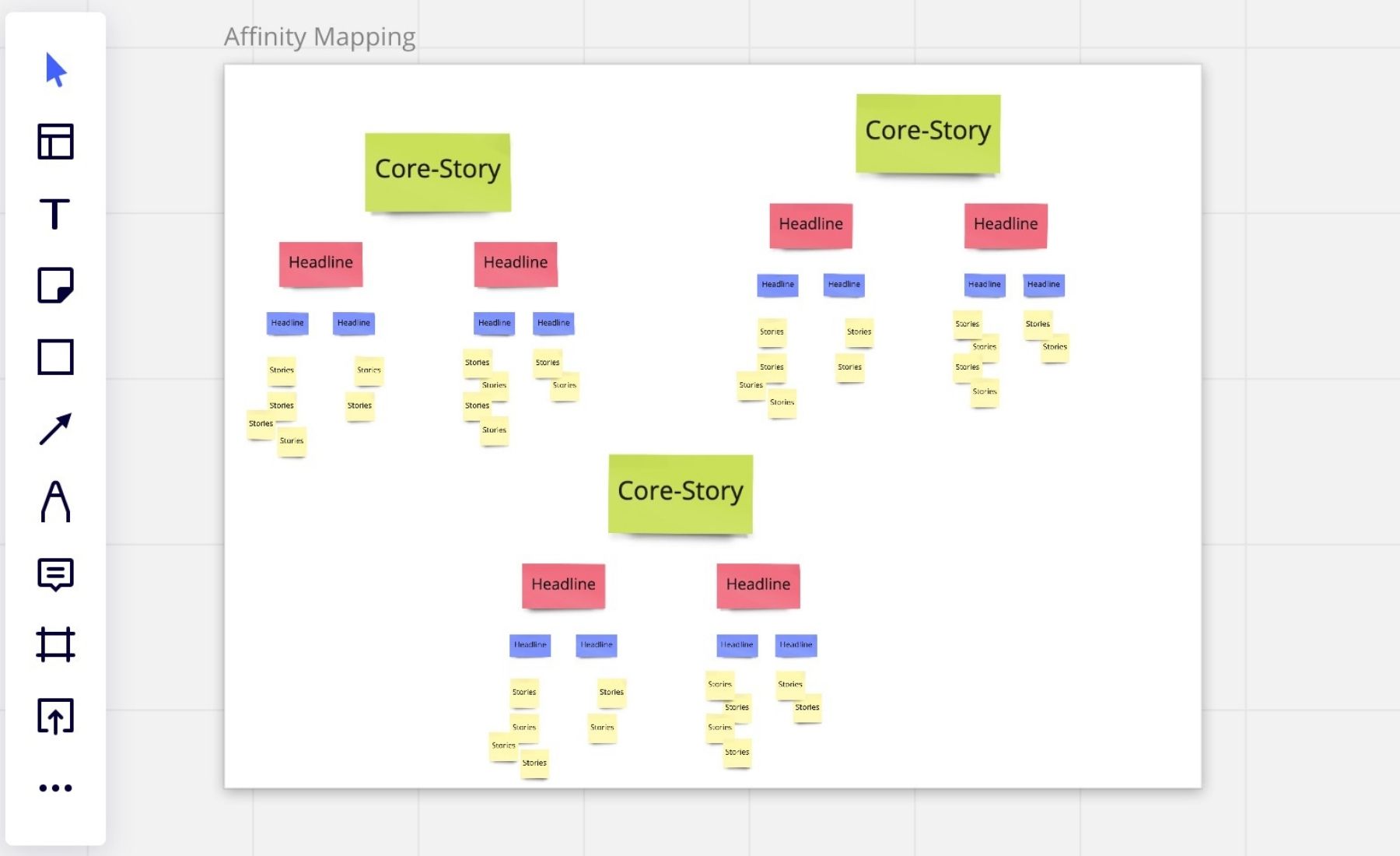
“Strategically speaking, UX has to be part of steadybit,” says Benjamin Wilms, co-founder and CEO of steadybit. “UX is the core competency when you’re building a product. People need to be able to fully engage with it. Our own UX product designer just started, that’s the first step. But we also need our own UI designers. As our customer base grows, the bottleneck becomes too big. What started as a need to bring in targeted UX expertise through UX&I has, over time, evolved into a clear vision of what a product team at Steadybit should look like. When we talk about a product team, we mean a team where people with different skill sets work together to solve a problem. Product managers, UX product designers, UI designers, and software engineers collaborate on the solution. Only when everyone is included and contributes their expertise to solving the problem does a sense of collective ownership develop within the team, and everyone takes ownership of the solution. UX is not a phase with a fixed start and end date; UX must be an ongoing part of product development. The entire product team contributes to this, and it would be disastrous if silos were to form and finished solutions were simply handed off and implemented blindly.”
You can find out more about establishing user-centered design at steadybit here: “Deep Tech Meets User-Centered Design: Two Practical Methods to Get Started.”
The UX/UI chapter at One Data
One Data (formerly ONE LOGIC) was founded in 2013 and now has five full-time in-house UX/UI experts. UX&I was there from the very first usability test and helped ONE LOGIC build its in-house UX expertise. ONE LOGIC has really taken off in the field of UX; today, we primarily provide support through keynote presentations on UX topics or when they face staffing bottlenecks.
“Our goal is to take a generalist approach in the UX/UI Chapter and gain comprehensive expertise in a wide range of UX topics. That’s why it’s important to have a desire to keep learning and growing. Our long-term goal is to become completely self-sufficient in the field of user experience,” says Kyra Bollmeyer, UX/UI Team Lead at One Data.
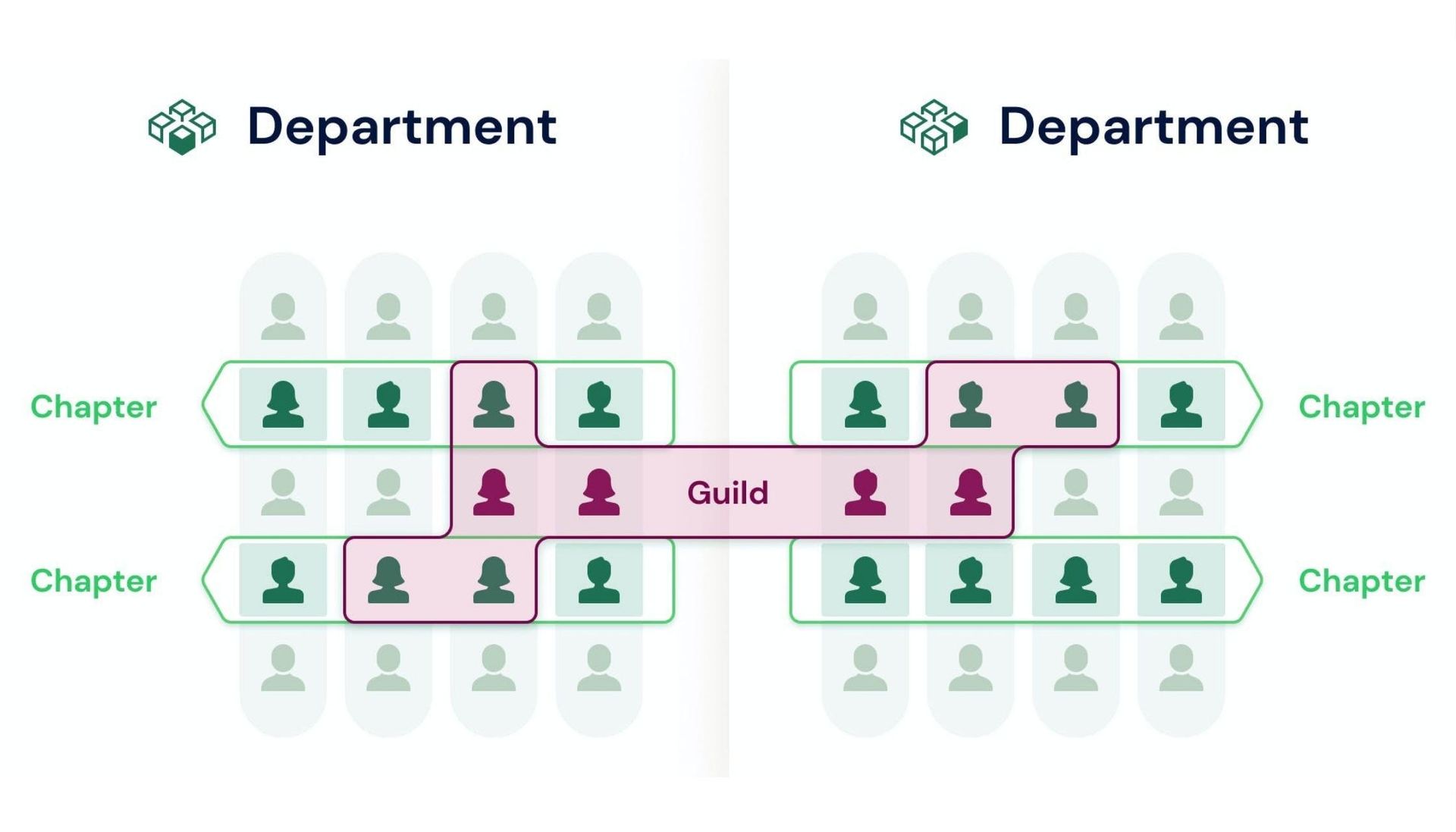
Across the board, One Data is structured into several departments. The UX/UI chapter is part of the Software Development Department. Every UX professional is part of a development team. To ensure consistency in UX and to keep UX experts connected, they meet every day for the UX/UI Daily. They discuss issues, plan peer reviews, or decide whether new components should be added to the library.
You can learn more about this in the case study “From Usability Reviews to Your Own UX/UI Department.”
METRO Systems: From pattern library to UX hub
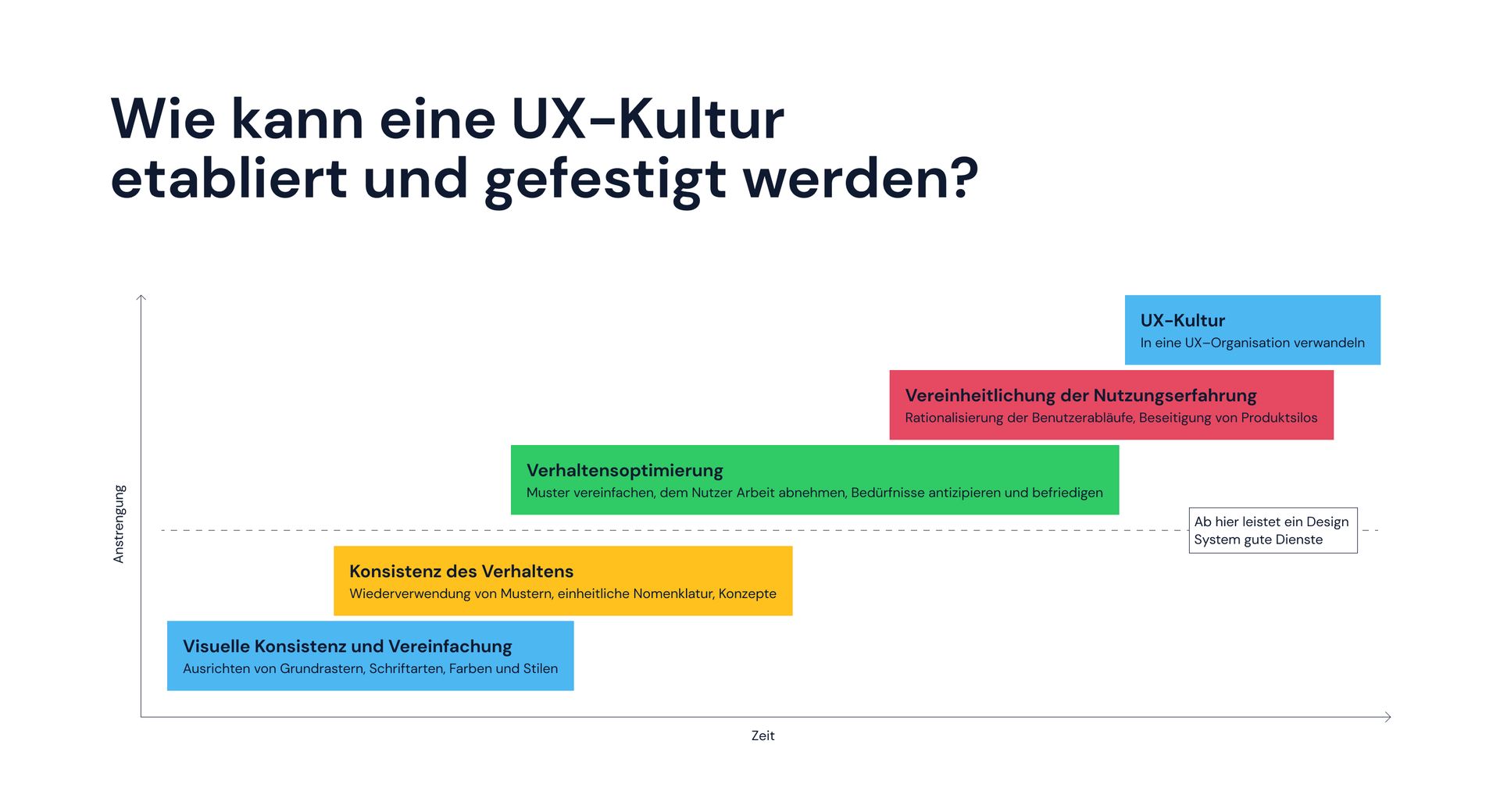
When we were tasked with helping to build a pattern library for METRO Systems, the first question that arose for us was: What problem is the design system actually supposed to solve? We launched an internal research initiative to find out what was needed and how work was currently being done. We discovered, for example, that while all developers write in the same programming language, there are significant differences in how components and patterns are created from it. A pattern library, therefore, would not solve the problem. It also quickly became clear that user-centered design and consistency would not work through a top-down approach.
Stakeholders and decision-makers were made aware that a dedicated team was needed for this. The ball was set rolling for a loose community of practice/guild. This brought together interested parties, including designers, UX experts, and (front-end) developers. Once a common foundation was established, tasks were assigned. The guild gained more and more influence and buy-in from upper management. Soon, a small team was formed to create the first pattern library.
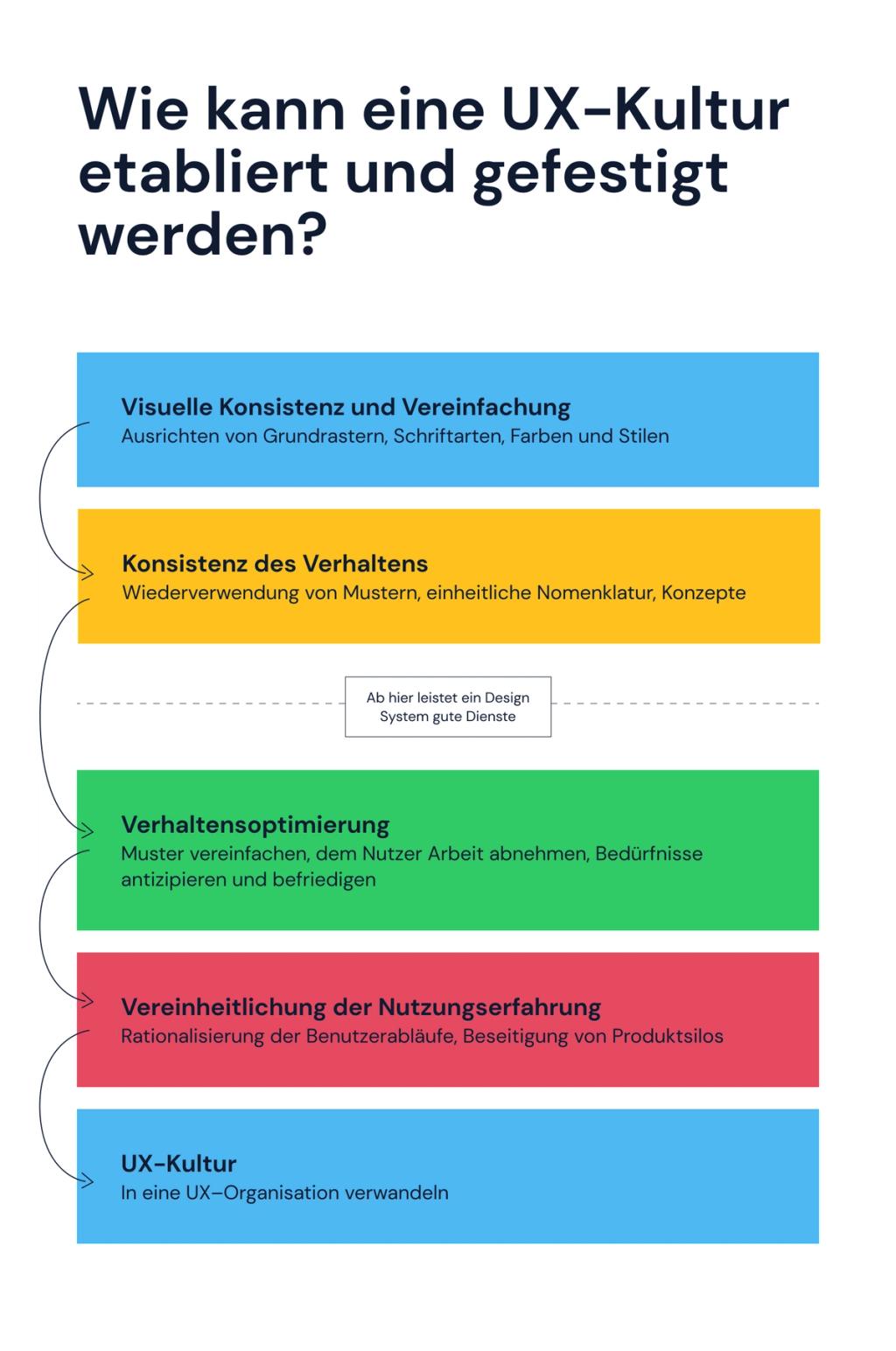
The Guild’s next big task: spread the love. The UX mindset needed to be established. Eventually, a UX Lead and a Design Lead were hired, along with UX and design specialists, each with two desks, one in the newly established UX Hub and one in the development teams. As external service providers, we increasingly took on the role of facilitators, for example, for cross-team workshops when major changes to the design system were on the horizon.
Conclusion
Three points are key when it comes to building UX expertise:
- UX always makes a difference and should therefore be part of product development from the very beginning.
- Sooner or later, you should have UX in-house.
- External UX service providers should help you build your own expertise.
Exactly what that path looks like and how UX resources develop always depends on the specific needs of your company. We hope we’ve been able to provide you with some basic tips and food for thought.
We wish you the best of luck! If you have any questions, we’re always happy to help.
Our experts
Jessica is a UX consultant and has been working in digital product development since 2009. In her workshops, she manages to wow even her most introverted colleagues.
Nina has been with UX&I from the very beginning and has been working as a UX consultant and information architect in digital product development for 20 years.