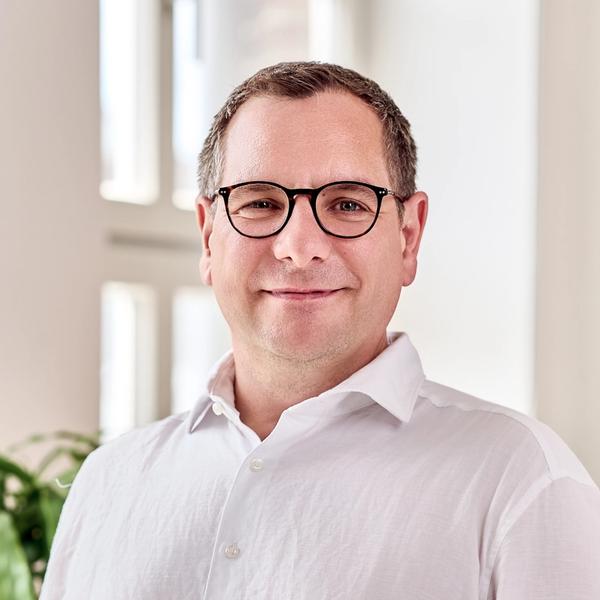
Senior UX designer Mike Kotsch joins UX&I
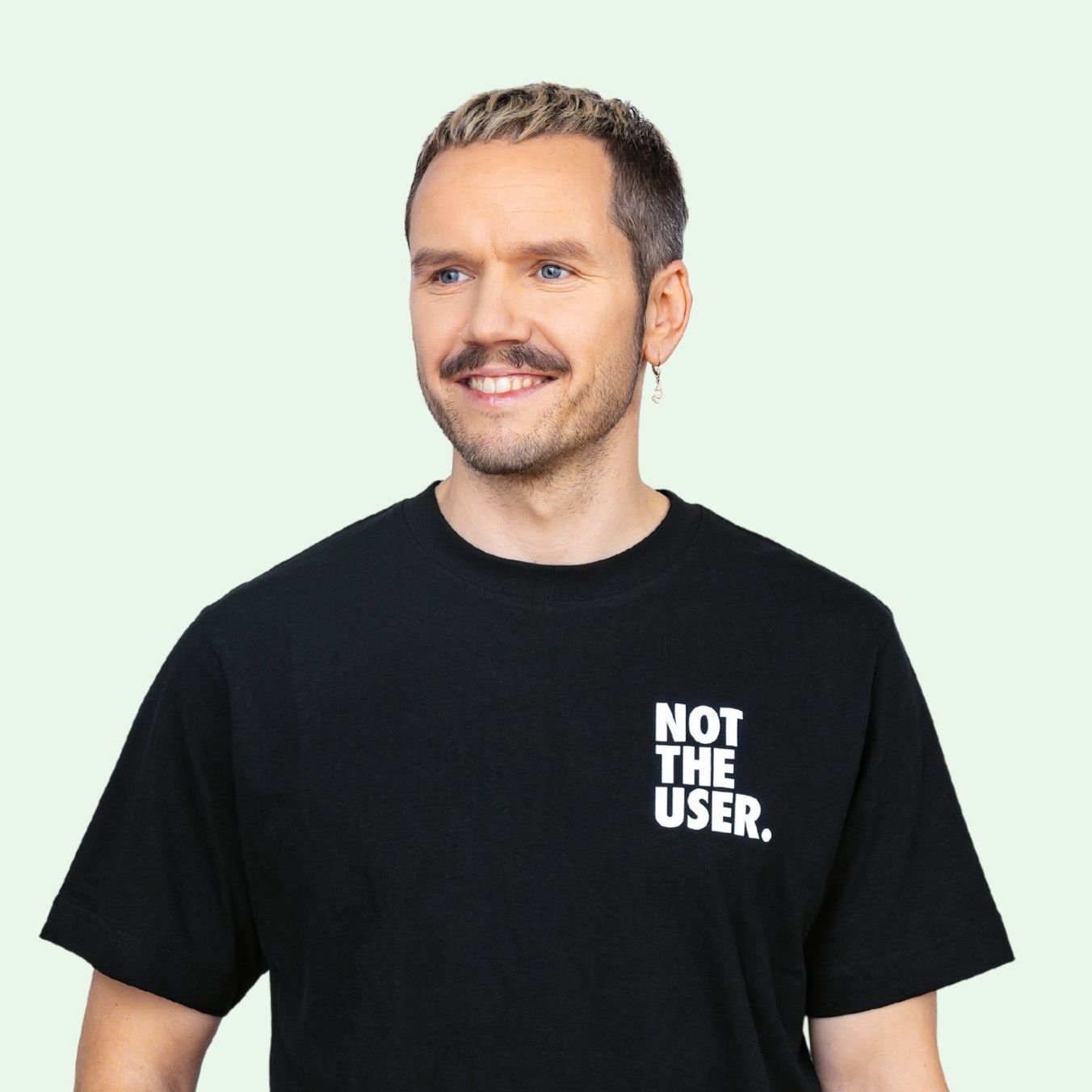
“I’m convinced that accessibility will be a very important part of UX design, and on a much larger scale than we’ve seen so far.” For new hire Mike Kotsch, future-proof and human-centered UX design without limitations is an exciting field where there’s still a lot of work to be done.
Mike, tell us a bit about your journey into UX design.
Like most UX designers who’ve had a few years of experience, my path wasn’t the traditional one. I studied media informatics and have always enjoyed being an end user, so I became interested in computers very early on and in how they could be useful and beneficial to people. My first MacBook was, of course, a real milestone and had a groundbreaking impact on both the concept of user experience and me personally.
What do you enjoy more about your work as a UX designer: strategy or implementation?
Without strategy, there’s no design, and without design, any strategy is worthless. I feel at home in both disciplines and am glad to be able to think strategically at UX&I rather than just creating UX designs without a solid foundation. I used to work in advertising and quickly realized what I didn’t like about it: empty, one-sided, and short-sighted promises that just shout at people instead of helping them. Good UX design makes life easier. It’s those little moments when, thanks to well-thought-out and human-centered user guidance, users are happy to use a service or product.
You really know your way around UX design. What do you think will be the next big trend that’s here to stay?
I am convinced that accessibility will be a very important component of UX design, on a much larger scale than we have seen so far. It goes without saying that a good UX is only possible with digital accessibility. Including people with disabilities in the design process, whether they have low vision, limited motor skills, or other disabilities, is the foundation of accessibility in UX design. But it’s about much more than that. Good UX design takes into account, for example, that a user might want to use their screen in direct sunlight but can’t read it properly, or doesn’t have a free hand to use their smartphone because they’re carrying grocery bags or stirring a pot. These, too, are accessibility issues we consider, because deeper integration of customizable options is becoming increasingly important. I’m currently diving deep into this field and find it incredibly exciting and important.
Why did you choose UX&I?
I’ve tried a lot of different things and spent a long time searching for the right path for me. I’m glad to have found my place at UX&I. After all, it’s not just the day-to-day work that has to be right: it’s also the mindset of the people and the motivations behind their work.
A Thuringian in Berlin: What do you like about Berlin, your adopted home, and what bothers you about the capital?
The other day, I was waiting for a friend at an intersection and just letting the city wash over me. The diversity of the people, the noise in the streets, the size of the buildings: I love all of that about Berlin. But always in moderation. When it all gets to be too much for me in the big city, I head out into nature and enjoy the peace and quiet.
Do you have any special tips for Berlin?
It’s tough: every person is so unique, and the city offers so many different possibilities. But I do have one recommendation: Café Mü on Libauer Straße. Great scones with dates soaked in orange juice… and plenty of sunshine at lunchtime.
About UX&I
UX&I offers consulting, enablement, and implementation services in the field of user experience (UX). We focus on deep tech, enterprise software, and digital transformation. Our goal is to help people harness complex technology to serve users. In doing so, we bring together all relevant perspectives: human, business, and technology.
- Locations: Düsseldorf (Headquarters), Berlin, Hamburg, Frankfurt am Main, Munich
- Employees: 37
- Founded: 2014
- Clients: Ten of the fifteen largest German companies, among others, rely on our UX expertise
Contact
Mike is a UX designer with an eye for software development, accessibility, and AI, transforming technical challenges into user-friendly solutions.