




Skip to content

d.velop

Discovery Accelerator Program: Embedding user-centered design

At the d.velop Group, the software specialist for document management and digital business processes, we made user focus a core mindset. Together with the client, we injected momentum into digital product discovery through an 8-week program.

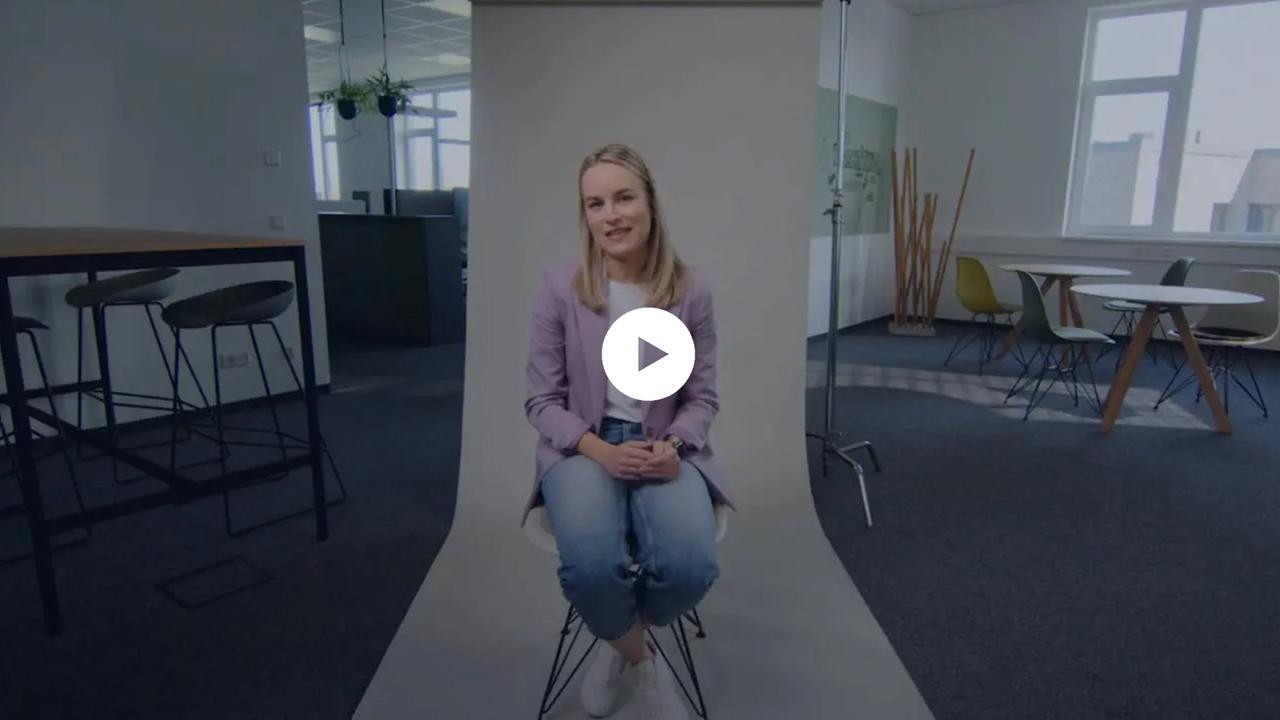
Video thumbnail: woman in a lilac blazer sitting on a stool in front of a photo backdrop in an office, with a play button in the center

Loading this sends data to YouTube.

Background & objectives

Methodology and continuity: We need discovery habits

d.velop’s solutions are designed for the intelligent exchange of documents and information. A good user experience (UX) is central to these products; the company recognized this, and the teams’ UX maturity was already advanced. However, rigorous processes and methodological expertise had not yet been fully implemented across the board. User testing was conducted sporadically, but there was a lack of consistent procedures and structured discovery processes to identify problems based on facts. Teams repeatedly found that a lack of product discovery came back to haunt them. There was a strong desire for the certainty of developing the right solution, especially given the limited development resources and tight deadlines. Furthermore, collaboration among the trio of UX designers, project managers, and tech leads was not always efficient.

Focus on outcomes rather than outputs

Product development was very sales-driven, and in day-to-day project work, the primary focus was on the immediate results of current activities. The actual added value in terms of business goals, and for users, was often not given sufficient consideration.

The goal: Discovery training with broad impact

UX&I was brought in to work hand in hand with d.velop to launch a Discovery Acceleration Program. From the initial concept through planning to implementation with our partner codecentric, we collaborated closely with the client, incorporating our diverse skills and perspectives. 

Our knowledge and practical experience were to be transferred and made scalable within the program in such a way that the entire product development process would benefit. Instead of a one-way lecture, the goal was to hold up a mirror to the program participants and develop methods and processes using real-world cases. In the spirit of “learning by doing,” the goal was to impart knowledge that could be directly applied in day-to-day operations. The aim was not merely to provide isolated input, but to embed the content and establish a sustainable UX mindset.

The program’s cornerstones were to be the key phases of digital product development. These were to be made accessible through best practices, methodological knowledge, and processes, and integrated into the daily workflow at d.velop.

Malte Alsmeier
“In fact, the entire product development process within the team has changed significantly. We are now involving our customers more by conducting interviews and gathering feedback.”
Malte Alsmeier Product owner at d.velop

Challenges

Different levels of knowledge

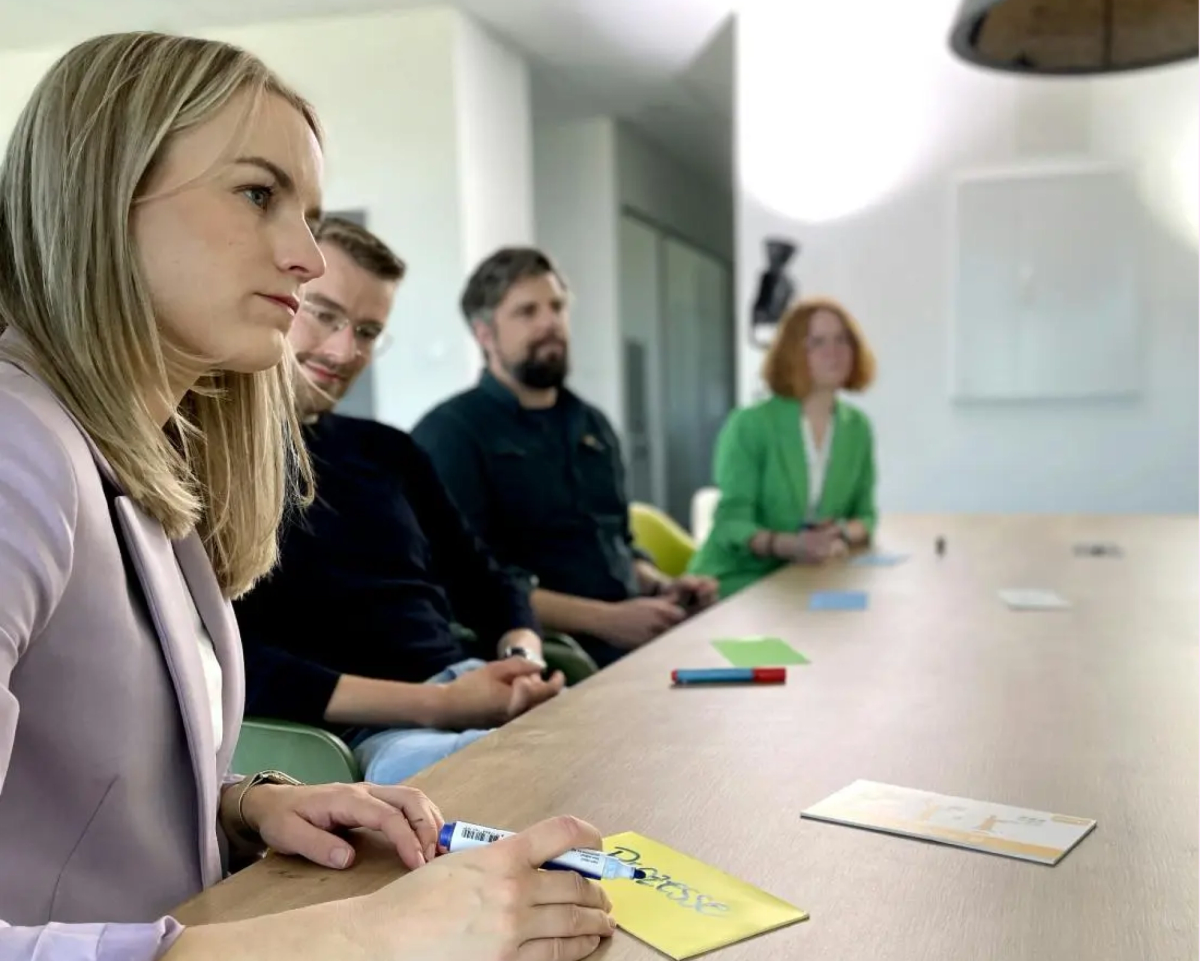
The 12 participants came from different teams and disciplines. They did not all have the same level of knowledge or experience. We had to continually assess how best to engage everyone and respond to participants on an individual basis.

Hybrid work

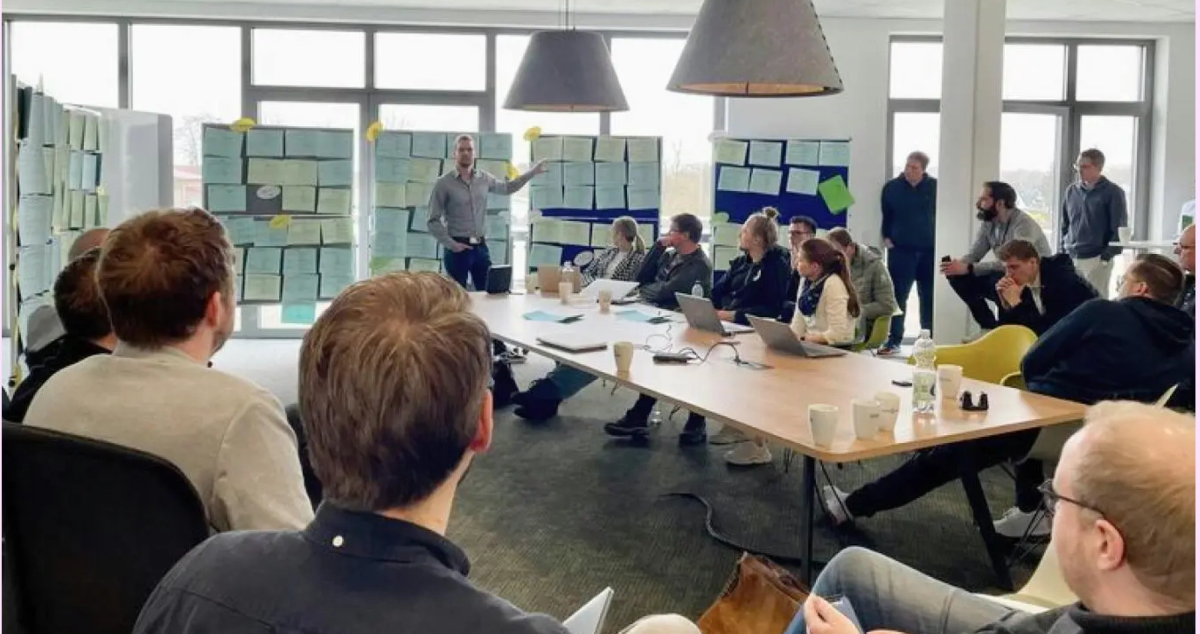
This task was made more difficult by the hybrid setting. Most program participants were on-site, but some were also working remotely. We had to keep this situation in mind and often respond to challenges on the fly. One lesson we learned, for example, was that hybrid workshops always need to have a remote point of contact, because direct communication was essential.

Theory for the sake of practice

From the very beginning, speed was the top priority. The teams at d.velop were expected to learn as quickly as possible how to develop better products right away. Striking the right balance between theoretical knowledge and practical application was crucial. Knowledge always had to be conveyed in a practical context, and participants had to be empowered to apply what they had learned using real-world scenarios.

Training takes time

For most participants, it was no small feat to integrate an 8-week training program into their daily work routine on relatively short notice. As a result, everyone involved had to be flexible, which, for example, also led to a hybrid setting.

Three men in conversation in a lounge, one gesturing and one working on a laptop

Steps

Program design to embed discovery habits

What made this project particularly special was that we worked closely with d.velop from the initial concept through to the end of the program and beyond. Together, we developed a compact 8-week product discovery program. 

Teresa Torres’ framework provided the foundation. With “Continuous Discovery Habits: Discover Products that Create Customer Value and Business Value,” she has created a seminal work on systematic, user-centered product discovery. This discovery phase lays the groundwork for products that are aligned with both user goals and strategic business objectives. Torres also emphasizes the importance of effective collaboration between departments and teams.

What are discovery habits?

“Discovery Habits” refer to practical methods and mindsets that ensure user needs are incorporated into product development from the very beginning and on an ongoing basis. They ensure that project teams better understand users and that products are aligned with real needs. Additionally, well-defined and realistic business goals are central: goals that can be achieved by focusing on user requirements. Among the most important Discovery Habits are gathering user feedback, conducting ongoing user testing, and maintaining open communication between teams and departments.

8 weeks through the discovery process

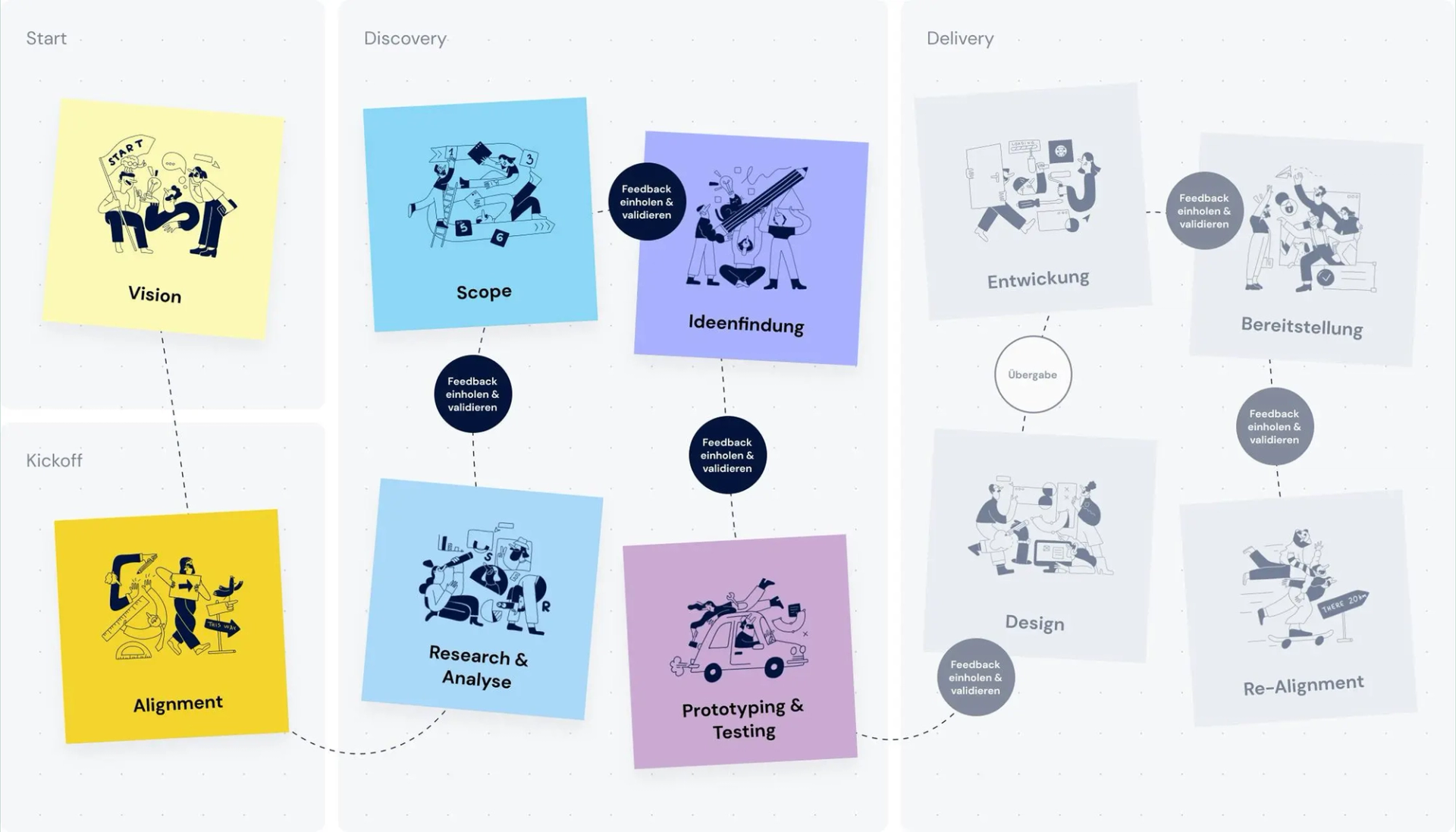
The program’s cornerstones were the three Discovery phases: Alignment, Research, and Ideation and Testing. Participants worked through the entire Discovery process using concrete case studies and were equipped with all the knowledge they need to apply these methods independently.

Key topics included establishing and optimizing processes, methodological knowledge, cross-team collaboration, and awareness of cross-functional workflows. Above all else: the focus on the user’s voice.

Through a mix of training, coaching, independent work, and informal get-togethers, the group gained more than just practical knowledge. The UX mindset was gradually made tangible and reinforced.

Diagram of the product development process: Start with “Vision”, Kickoff with “Alignment”, Discovery with “Scope”, “Ideation”, “Research & analysis” and “Prototyping & testing”, Delivery with “Design”, “Development”, “Deployment” and “Re-alignment”, with “Gather & validate feedback” steps in between

People business

The program’s guiding principle was to prioritize people over processes: The first step in any effort to create a successful product is always to ensure alignment among all stakeholders. Before considering which tools or methods to use, it is always essential to first ensure that everyone shares the same understanding and is working toward the same goal.

Thomas Petzold
“Training sessions and coaching sessions with small teams are a lot of fun. It’s great that we worked through the phases as a group and built up a wealth of knowledge that we were able to put into practice. As a group, we can be proud of how much we’ve accomplished.”
Thomas Petzold Senior UX consultant at UX&I

Successes

Discovery, discovery, discovery

The primary goal has been achieved: Participants are now empowered to prioritize discovery as part of their day-to-day work. There is now company-wide awareness of the discovery process. Many Discovery habits have already become part of daily routine. For example, over 100 user interviews were conducted in just two months. Every customer interaction is used to address overarching user questions. This is well-received by customers. At the same time, their awareness of Product Discovery is also increasing. Program participant Till Schweizer, Product Manager at d.velop, confirms: “Without the opportunity for sufficient Discovery, I don’t make any commitments to customers.”

“And why?”

The program has also influenced the language and mindset at d.velop. “Why” has become the standard question and is continually challenged within the product team. Participants were able to sharpen their mindset toward the user’s perspective. When in doubt, the rule is: the user is always right.

A full toolkit of methods

“We’ve got a toolbox full of methods. Now we have the tools we need to move these topics forward,” said participant Sophie Nacke, Product Manager at d.velop. The teams are equipped to be effective on their own and to drive the discovery process independently, from initial alignment to prototype testing.

Great feedback

The Discovery Accelerator Program was met with overwhelmingly positive feedback. We noticed this not only during the program itself but also based on the subsequent rating of 4.22 out of 5 points. 

Sophie Nacke
“We’ve raised a lot of awareness about Product Discovery, and the mindset within the company has changed. For example, asking “Why?” is extremely important and must be practiced throughout the entire company.”
Sophie Nacke Director of product excellence at d.velop

Let’s continue

Throughout the program, we continually made adjustments to ensure everyone got the most out of it. Following the program, we will further optimize its organization and structure, and refine the training and coaching plan for future programs. For example, we plan to place even greater emphasis on the teams’ daily challenges. We’ve also learned a great deal about hybrid settings.

Internally at d.velop, we’re working on how to share the insights gained from the program across the entire company. Follow-up initiatives that build on the new focus on product discovery are already in the planning stages.

2021–2023

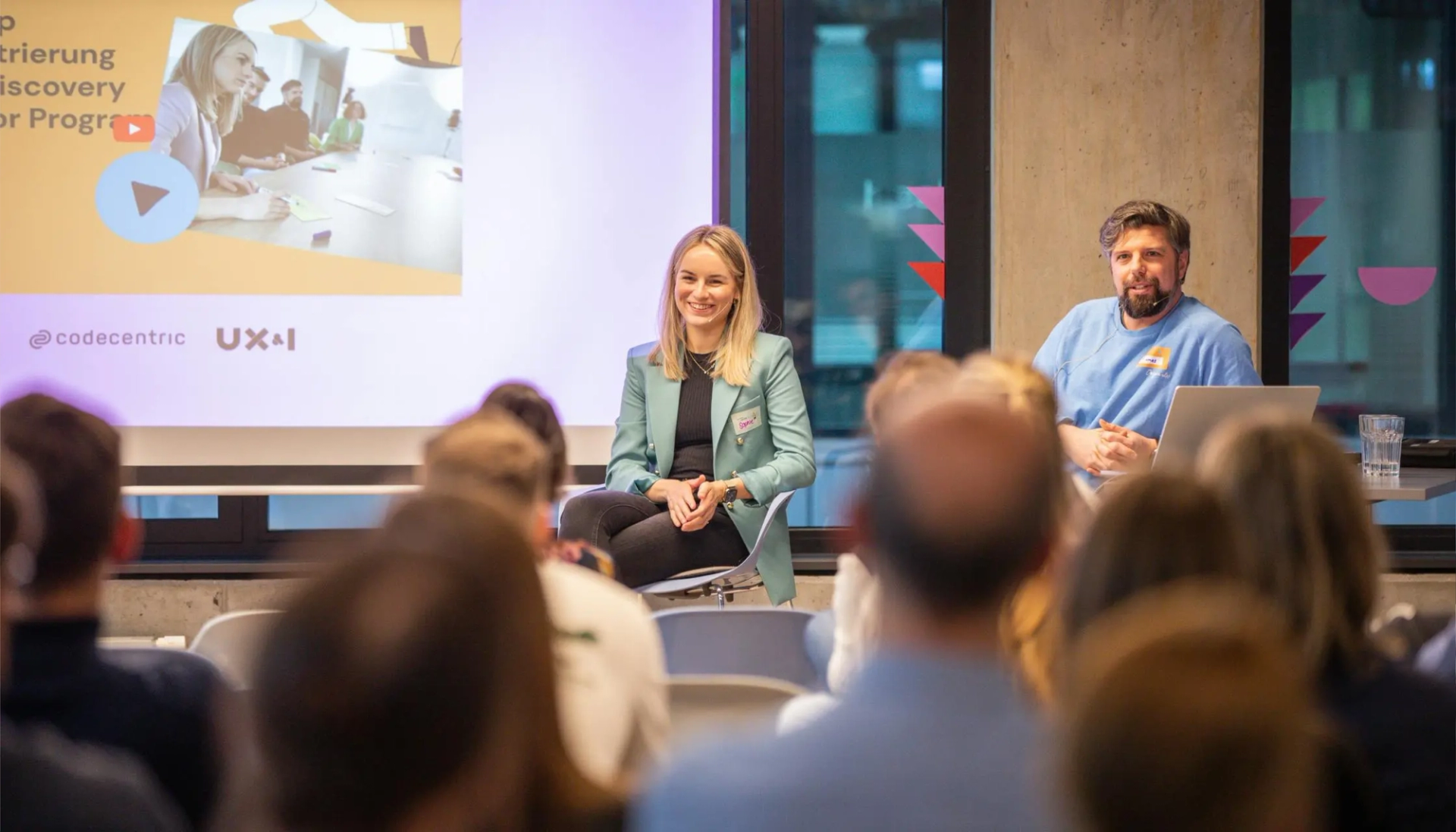
Woman in a teal blazer and man with a laptop on stage in front of an audience, the screen showing the Discovery Accelerator Program with the codecentric and UX&I logos

Related

Do you have an idea or a tricky UX problem?

We support you from strategy and agile product development all the way to training your team.

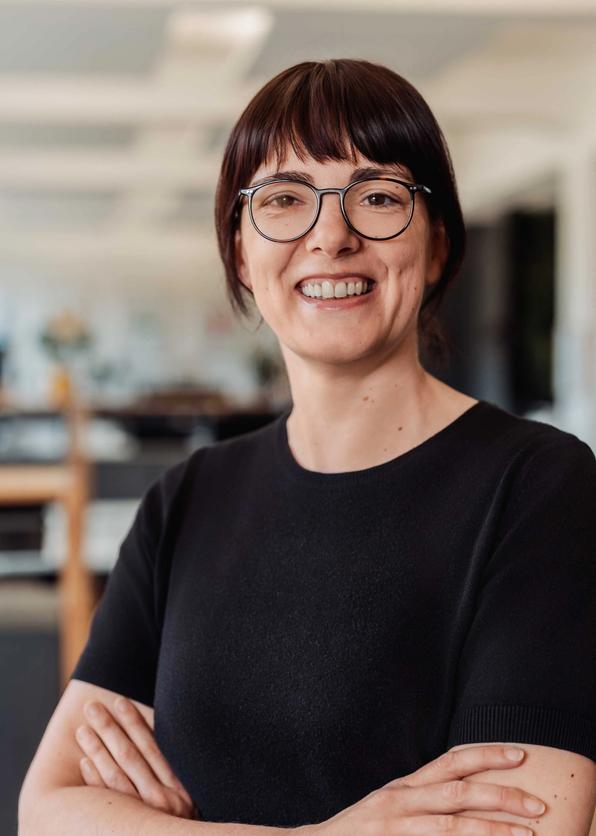
Nadine Pieper, senior UX consultant at UX&I, smiling with glasses and arms crossed in the office

Nadine Pieper Senior UX consultant · Berlin

Prefer to talk right away?

30 minutes by video call, free and with no obligation. All times are Berlin time.

 Loading available times …

Or send us a message

Two or three sentences are enough.

We reply within two business days.

We process your data to handle your request. Details in our privacy policy.

Nadine Pieper
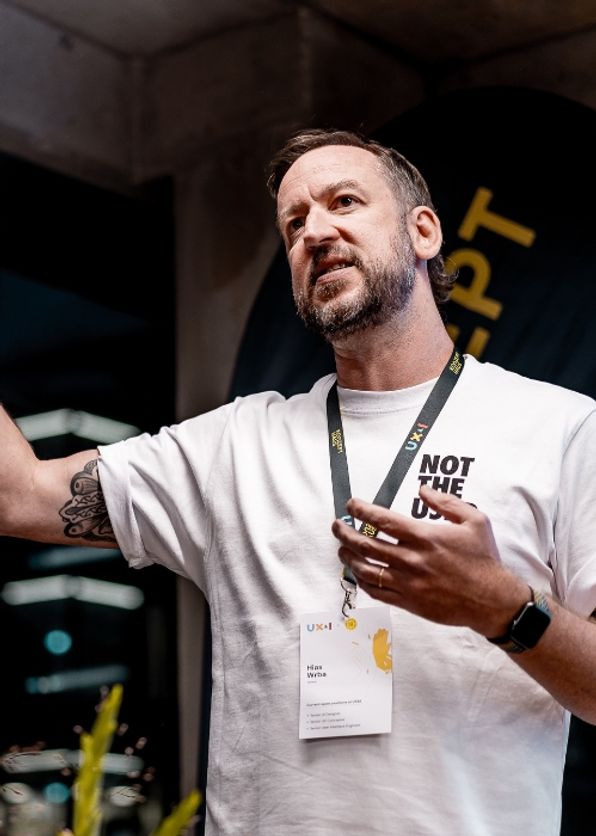
Hias Wrba
Patrick Oselka
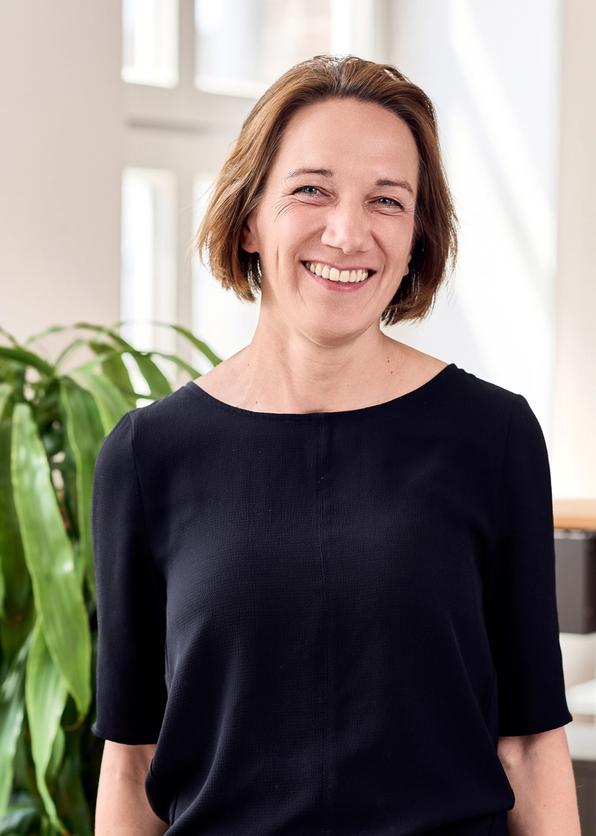
Claudia Schönwälder
Mato Sauer

Your call with

Nadine Pieper

Senior UX consultant

Berlin

Your call with

Hias Wrba

Product coach

München

Your call with

Patrick Oselka

Managing director at UX&I

Düsseldorf

Your call with

Claudia Schönwälder

Senior UX consultant

Hamburg

Your call with

Mato Sauer

Customer empowerment lead

Frankfurt